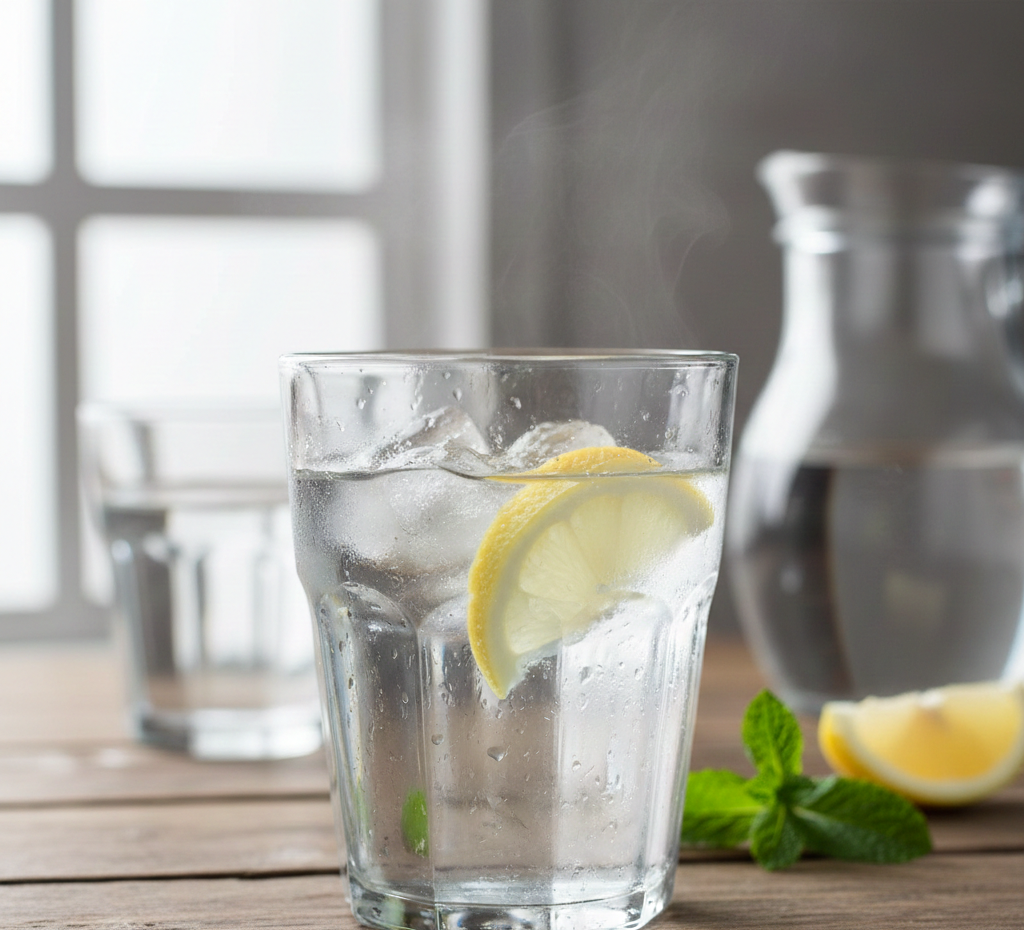
Drinking Water: The Easy Every-Day Habit That Drives Health, Vitality, and Longevity
The thing that’s most ordinary that we drink is also the most extraordinary. We could survive weeks without food, but only a maximum of three to four days without water. Moreover, our heart beats, our mind thinks, our legs move, and our lungs expand because of water. Indeed, people unknowingly live a life that’s always mildly dehydrated.
Among the easiest and most effective health practices known is staying hydrated with water. This guide discusses the importance of staying hydrated with water, the amount of water the body needs, the consequences of failing to get enough water, and tips for staying hydrated effortlessly.
Why Water Matters: Inside the Body’s Most Important Resource
Water is essential for all living
The body is composed of about 60% water. It is the basis for almost all life functions:
Cells employ water as a medium and transport pathway.
Body blood needs water to deliver oxygen and nutrients.
Kidneys require water for filtering waste and toxins.
The joints move easily due to lubrication.
Brain and nerves require correct hydration levels to transmit signals.
Body cooling is done through the process of sweat evaporation.
Nothing will work well without hydration. A mere 1-2% deficiency in body hydration has been shown to impair concentration, cause sluggish responses, promote fatigue, and lead to crankiness.
It is not only about satisfying the thirst in the body. It is about the whole process that keeps you alive.
Benefits to Health Associated with Drinking Sufficient Water
- More Energy, Less Fatigue
Dehydration increases the workload for the heart and reduces the amount of oxygen pumped to cells. Effectively, you start to feel lethargic.
Proper hydration benefits:
regulate blood pressure
facilitate blood circulation
Build Endurance
lessen feelings of exhaustion</
What often seems like “lack of energy” is simply “lack of water,” not lack of motivation.
- Sharper Brain Function
It is 75% Water. Brain function declines as hydration levels decrease. Individuals who drink enough Water experience:
better memory
clearer brain fog
Improve concentration.
better decision-making
The cognitive advantage is certainly what all students, professionals, and gamers require. Before resorting to another cup of coffee, why not grab a glass of water instead? Water is what most people need.
- Digestive Support and Detoxification
It helps dissolve nutrients found in food, aids in the formation of digestive juices, and keeps the digestive tract in motion.
Adequate hydration
prevents constipation
facilitates regular bowel elimination
decreases risk of kidney stones
It helps the liver and kidneys to eliminate waste materials.
“Detox diets” or costly cleanses cannot be supplanted by what the body naturally already accomplishes – if it has enough water to do the trick.
- Weight Management and Appetite Control
One unexpected area where water’s importance comes to the fore is in metabolism and appetite. Drinking water prior to eating can have the beneficial effect of preventing people from eating too much. In some instances, the body perceives a need for water instead of food.
Hydration also:
encourages healthy metabolism
cuts cravings for sugar-containing beverages
It helps the body to burn fat more efficiently.
Water on its own won’t result in significant weight reduction. However, water is an indispensable partner in any long-term health and wellness journey.
- Temperature Regulation and Exercise Performance
During exercise, your body relies on sweat to help regulate the cooling process. Insufficient water intake will result in a reduction of sweat production.
Hydrated muscles
contract more efficiently
For example, a
Symptoms may be worse if
Whether you are an athlete playing sports, or are just active for general health reasons, staying hydrated is important for protecting performance as well as staying safe.
- Heart, Kidney, and Circulatory Health
It also makes the blood thinner because water is less dense than blood, which increases the work of the heart to pump the blood through the circulatory system. Also, chronic dehydration contributes to increased stress on the cardiac system as well as an increased risk of kidney disorders.
Water assists with:
Regulating healthy blood pressure
facilitate kidney filtration
Prevents mineral buildup & stones
Both your heart and kidneys function in a simple manner through the steady “sip” of fluid.
Its applications in the beauty industry range from skincare to hair care. It
Hydrated Skin Appears Healthier
Dry, dull, and tight skin is often a result of a single reason – lack of hydration. Hydration is essential for skin elasticity and renewal.
May be beneficial:
smoother appearance
Less flakiness
improved plump
more radiant tone
Whereas moisturizers address the skin externally, water moisturizes from the inside out.
Hair & Nails
The skin and nail beds receive nourishment and moisture from the presence of water in the body. Dehydration, therefore, leads to brittle hair and weakened nails. Skincare regimens begin with serums and sprays, but hydration is the foundation.
What Constitutes Inadequate Fluid Intake?
Inade
Chronic mild dehydration can make a person experience the following symptoms:
Recurring headaches
dizziness / light-headedness
dark yellow urine
bad breath (dry mouth promotes bacteria)
muscle cramps
iritability
difficulty concentrating
Dehydration can also cause bladder problems, kidney stones, and/or constipation and fatigue, among other problems, when it persists for an extended
The signals are subtle, but it’s easy to tune them out. This skill comes with learning to pay attention to your body.
HOW MUCH WATER DO YOU ACTUALLY NEED?
There isn’t a particular size that suits every person. This depends on:
age
body size
Climate
activity level
health conditions
pregnancy or lactation
A helpful guide is to follow the “8 glasses a day” rule; however, some people will require a little extra fluid intake, especially when it is hot or when exercising.
Another easy technique is to inspect the color of your urine. If it is pale straw colored, you are likely well hydrated. If it is dark yellow, you are not getting enough water.
For most adults, 2 to 3 liters a day, including water from foods and drinks, can be a realistic goal. Listen to your body and pay attention to your thirst. Your body can still be your best indicator.
Can You Drink Too Much Water?
Yes – although it’s rare. Overconsumption can lead to a condition known as hyponatremia, in which too many fluids dilute the necessary mineral sodium. This results in symptoms such as confusion, nausea, swelling, and even seizures.
The main point: the importance of BALANCE. Drink throughout the day and when engaging in prolonged intense exercise. Just remember, no chugging!
Special Sitations that Increase Water Needs:
In certain situations, a person’s hydration level requires special consideration:
High temperatures and/or high humidity
Illness with fever, vomiting, or diarrhea
Pregnancy and Breastfeeding
High-intensity exercises and outdoor work.
Eating high-salt or drinking alcohol
Under these conditions, frequent sipping is particularly valuable.
Whether Water or Other Liquids Counts?
Not all drinks hydrate the body equally.
Healthy Hydration Habits
plain water
Mineral water
Herbal teas
Infused Water – Lemon, Mint & Fruit
soups and water-rich foods (like cucumbers, melons, oranges
Beverages to Limit
Sugary Soda
Energy Drinks
alcohol (it actually dehydrates
“very sweet juices”
excessive coffee beverages
Coffee and tea are partly considered, but their low diuretic response means that you shouldn’t drink them exclusively.
Water is still the cleanest and safest option.
Practical Tips for Increasing Your Water Intake Daily
Drinking water does not necessarily have to be coerced. It becomes an automatic process with the inclusion of a few habits.
- Begin Your Day with a Glass
Your body is slightly dehydrated after eight hours of sleep. A glass of water in the morning wakes up digestion and circulation in a gentle way compared to drinking caffeine.
- Carry a Bottle Everywhere
If it is available, then you will drink it. Pick a bottle you like and put it somewhere visible, such as on your desk or beside your bed.
- Flavor it Naturally
While some
If regular water seems dull to you, you could add lemon slices, berries, cucumber, mint, and/or ginger. This way, you’ll have refreshing water and won’t have to add sugar.
- Sip Before Meals
Having a glass 15 to 20 minutes before meals aids in digestions and prevents overeating due to the mistaken sensation of thirst.
- Use Reminders
An app, notifications on your smartwatch, or even sticky notes remind you until it becomes an automatic behavior to have a drink.
- Consume Hydrating Foods
Fruits and vegetables such as watermelon, lettuce, tomatoes, zucchini, and citrus will help add fluids, while also providing vitamins and fiber.
- Match water to activity
Before exercise, a glassful should be consumed. During strenuous exercise, frequent sipping is recommended. After exercise, replenish what has been lost through perspiration.
Myths Regarding Drinking Water
Myth 1: You should never feel thirsty. If you are
It’s normal to feel a little thirsty. That’s your body’s useful reminder to have a drink. It doesn’t mean you’re already at risk.
Myth 2: Bottled water is invariably healthier.
By and large, in most parts of the world, tap water is safe and environmentally friendlier than bottled water. Filter if there is an issue with the flavor or quality.
Myth #3: Cold Water Slows Digestion.
The temperature has little effect. Drink water however you like it: cold, at room temperature, or warm.
Myth 4: Water solves all skin problems.
Drinking is important for healthy skin, but acne can also involve hormones, diet, and genetics. Drinking is part of the solution, but not the entire solution.
When to Be Cautious
Water intake can be increased safely by most persons. However, it is recommended that you see your doctor regarding hydration needs when you have:
kidney disease
heart failure
Serious electrolyte disturbances
Conditions involving fluid restrictions
These conditions include
It is a good practice to strictly adhere to the directions of
Establishing a Lifetime Drinking Pattern
Hydration should be thought of as a rhythm of your day. A simple routine goes like this:
Morning: 1 glass after waking
Mid-morning: steady s
Lunch: 1 glass prior to lunch as well as with lunch Afternoon: refill your bottle once Exercise sip on, during, and after Evening: One final glass (but not chugging right before bedtime) Consistency is better than perfection. A missed day doesn’t matter. What matters is getting back on track.
The Bigger Picture: Water and Well-being
And for proof of that final reality check, consider the humble power of water. It is a reminder of something fundamental: being healthy doesn’t have to be complicated.
When you drink sufficient water:
your thoughts become clearer
your mood stabilizes
It makes your body move more comfortably.
your skin glows
This is because your system is working without any problems. The
As I went about my daily activities, I noticed that everything
This is a quiet practice that has tremendous repercussions.
Final Thoughts: Small Sips, Big Change
Drinking water is possibly the most easily accomplished self-care practice. It doesn’t cost money, doesn’t need knowledge, and doesn’t need to happen at the right time; it simply requires awareness and the willingness to do it. Every mouthful benefits your mind, heart, kidneys, digestive system, skin, and metabolism.
Next time you find that you’re tired, unfocused, or hungry without reason, take a moment to consider that perhaps what your body needs is a glass of water.
Not to mention the fact that taking care of your health very often starts with very simple things.
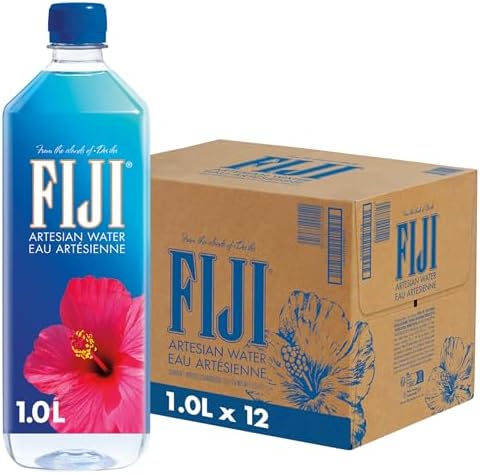
- Pack size: Pack of 12, 1.0L (33.8 fl oz) bottles of FIJI Water
- Everyday Hydration: The 1.0L bottle is the second largest of the FIJI line, perfect for staying hydrated while traveling…
- Artesian: Bottled from a sustainable artesian aquifer in the remote Fijian Islands, untouched by man
contact us https://meeqam.com/contct us/