Cybersecurity is not about defending our own systems anymore. In 2026 attackers often get in by exploiting weaknesses in the supply chain. Vendors, contractors and software providers connected to our network. The big SolarWinds breach showed how one bad supplier can cause problems for thousands of organizations. So supply chain security has become very important for governments and big companies worldwide.
- What is Supply Chain Security?
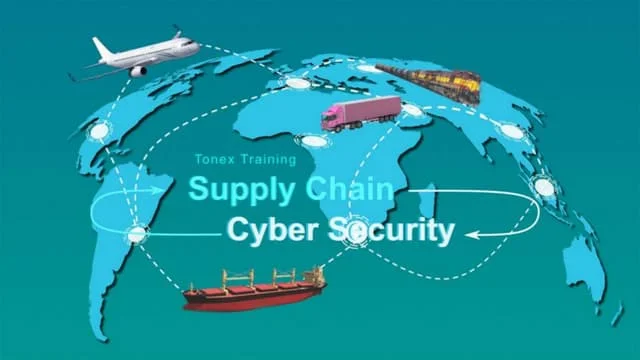
Supply chain security means protecting all the partners, suppliers and service providers that work with an organization. It makes sure that outside connections do not become ways for attackers to get in.
- Why Supply Chain Security Matters in 2026
Companies use global supply chains now.
Software relies on open-source libraries and third-party tools.
Many IoT devices come from vendors with different standards.
Governments are now requiring proof that companies are following supply chain security rules.
- Common Threats to Supply Chain Security
Attackers put code into software updates.
Vendor login details get stolen because of passwords.
Devices get altered before they are delivered.
Contractors misuse their access rights.
- Examples of Supply Chain Security Breaches
The SolarWinds breach in 2020: Attackers put code into software updates that affected thousands of organizations.
The Kaseya attack in 2021: A supply chain attack on IT management software caused ransomware infections.
The Log4j vulnerability in 2021: A flaw in an used open-source library put many organizations at risk.
- Best Practices for Supply Chain Defense
Check a vendors cybersecurity before working with them.
Use Zero Trust rules for third-party access giving them the access they need.
Make sure software is developed securely with code reviews and vulnerability testing.
Make vendors comply with security frameworks like NIST or ISO 27001.
Keep an eye on vendor activity to catch any behavior.
- Whats Coming in 2026 for Supply Chain Security
AI will be used to monitor supply chains for activity.
Blockchain will help track where hardware and software come from.
Governments will create rules requiring proof of development practices.
Industries will share threat intelligence to stay ahead of attackers.
- Case Study: Healthcare Supply Chain Security
Hospitals use medical devices, cloud services and third-party software. If a vendor is compromised patient data can be. Critical services disrupted. By checking vendors and monitoring them continuously healthcare organizations can reduce risks and follow privacy rules.
- Building a Culture of Supply Chain Security
Employees need to understand that partners outside the organization can pose risks. Training, clear policies and leadership support will make sure everyone treats supply chain security as a shared responsibility.
- Checklist for Supply Chain Defense
[ ] Check vendors before onboarding them
[ ] Apply Zero Trust rules to third-party access
[ ] Require coding practices
[ ] Monitor vendor activity all the time
[ ] Audit supply chain compliance every year
Supply chain security is the new cybersecurity frontline, in 2026. Attackers know that one weak vendor can open doors to organizations. By checking vendors using Zero Trust and adopting technologies businesses can strengthen their defenses. Protecting the supply chain is protecting ourselves in todays world.
contact us more https://meeqam.com/contct us/