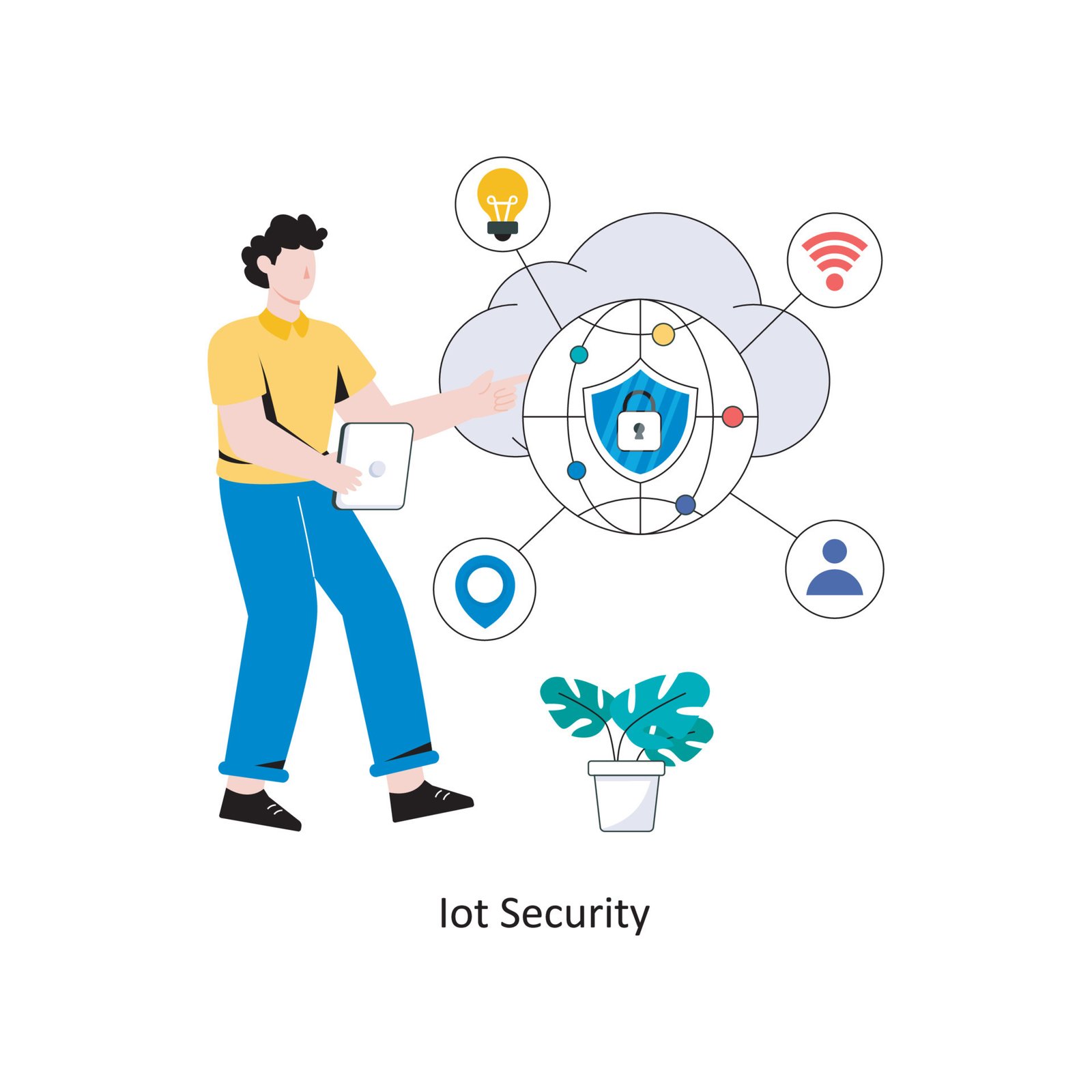
By 2026 we will have billions of devices connected to the internet from homes and wearable health trackers to industrial sensors. The Internet of Things (IoT) makes our lives easier and more efficient. It also brings big security risks. Each device is an entry point for hackers and if IoT security is weak it can put entire networks at risk.
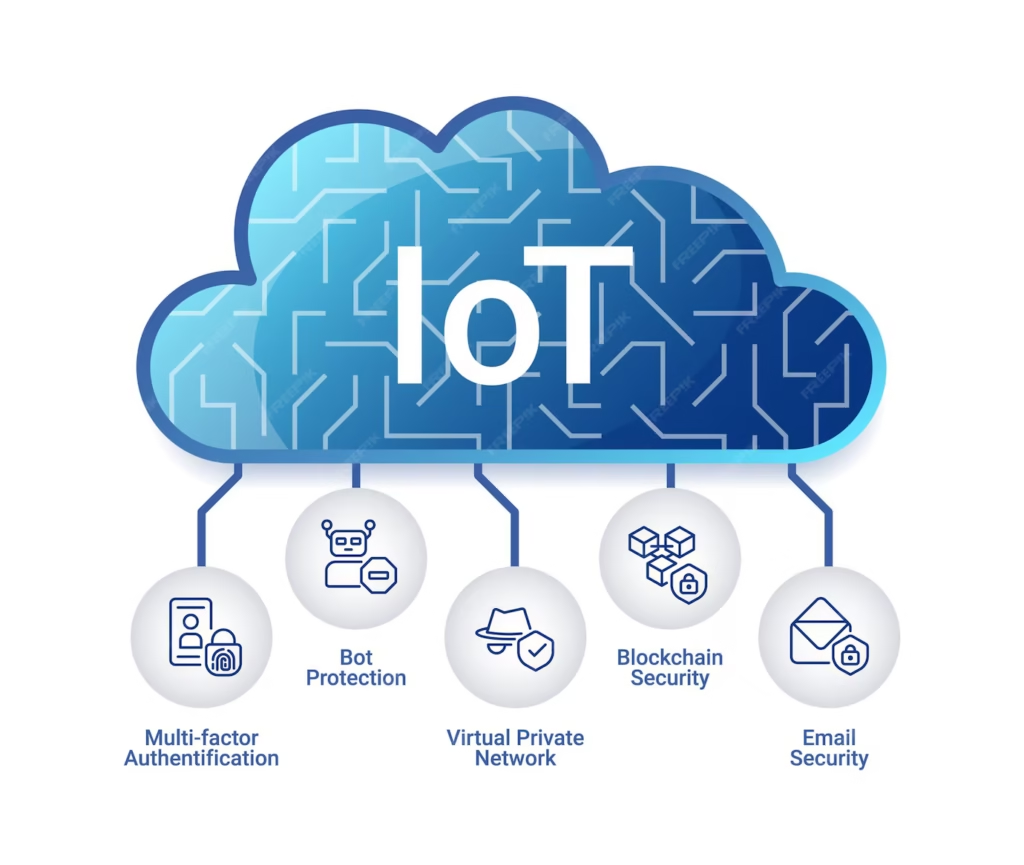
- What is IoT Security?
IoT security is about the ways, technologies and rules that keep devices and the data they make safe. Unlike computers IoT devices often don’t have much processing power so they are harder to secure using normal methods.
- Why IoT Security Matters in 2026
Scale: With billions of devices the attack surface gets really big.
Critical Infrastructure: IoT is used in healthcare, transportation and energy systems that’re crucial.
Data Sensitivity: IoT devices collect operational data that is sensitive.
Weak Defaults: Many devices come with settings that are not changed.
- Common Threats
Botnets: Hackers take over devices to launch huge DDoS attacks.
Data Theft: Hackers steal information from wearables or smart homes.
Device Hijacking: Hackers take control of cameras, sensors or industrial machines.
Firmware Exploits: Outdated software makes devices vulnerable to attacks.
- Real-World Examples
Mirai Botnet (2016): Hackers took over IoT devices to launch one of the DDoS attacks ever.
Smart Home Breaches: Hackers use passwords to get into cameras and locks.
Industrial IoT Attacks: Hackers disrupt manufacturing by compromising sensors.
- Defensive Best Practices
Strong Authentication: Use passwords instead of the default ones.
Regular Updates: Fix firmware and software vulnerabilities
Network Segmentation: Keep IoT devices separate from systems.
Encryption: Protect data when it is being sent and when it is stored.
Monitoring: Use AI to detect activity.
- Emerging Trends in 2026
AI-powered IoT defense: Machine learning helps detect device behavior.
Blockchain for IoT: It ensures that communication between devices is secure and can’t be tampered with.
Edge Security: Protecting data on the device before it goes to the cloud.
Regulation: Governments are making rules to ensure IoT devices are secure.
- Case Study: Healthcare IoT
Hospitals use devices to monitor patients. If a device is compromised it could expose health data or disrupt care. By using authentication, encryption and continuous monitoring healthcare organizations can reduce risks and follow privacy rules.
- Building a Culture of IoT Security
We all need to understand that IoT devices require care and attention. Training, awareness and being vigilant ensure that IoT security is everyones responsibility.
- Checklist, for IoT Defense
[ ] Change default passwords away
[ ] Update firmware regularly
[ ] Segment IoT networks
[ ] Encrypt device communications
[ ] Monitor device activity all the time
IoT devices are changing our lives and industries but they also make the attack surface much bigger. In 2026 keeping IoT devices secure means using authentication, encryption, monitoring and being aware of the risks. By treating every device as a vulnerability organizations and individuals can protect their connected world.

contact us more https://meeqam.com/contct us/