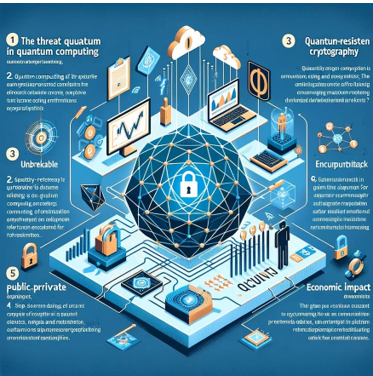
The year 2026 is a deal for cybersecurity. Now people are talking about artificial intelligence and Zero Trust frameworks.. There is something else happening that is really important: quantum computing. Quantum computers are getting more powerful. Can challenge the way we keep things secret on the internet. This is creating a kind of risk called quantum threats. Because of this organizations need to start using -quantum cryptography. It is very important for governments, companies and individuals to understand what is happening.
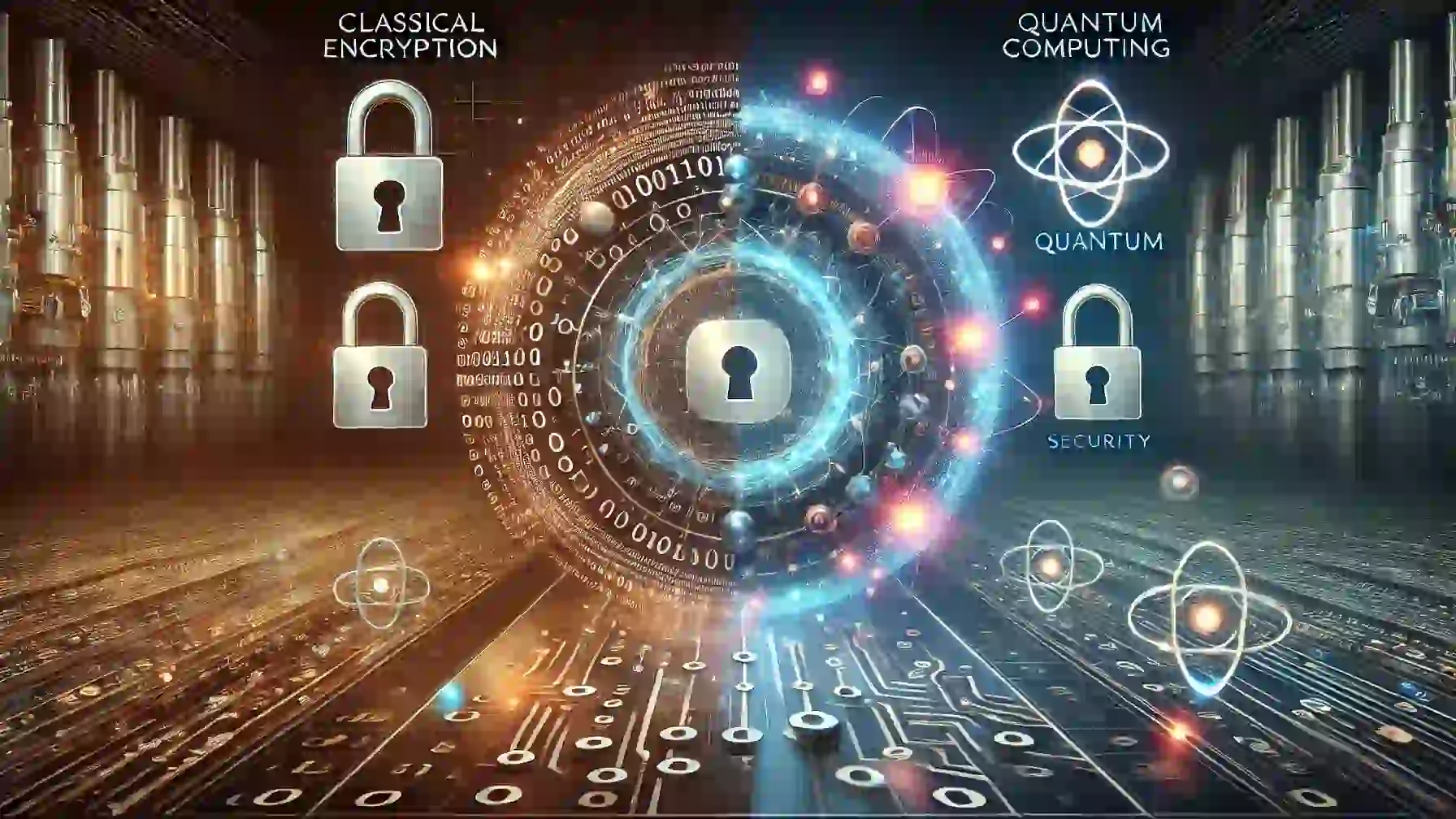
- What Are Quantum Threats?
Quantum computers can do things faster than regular computers. They can use algorithms like Shors algorithm to break the codes that keep our information safe on the internet. This means that if someone saves the information that is sent today they might be able to unscramble it when quantum computers are even more powerful. This is called “save unscramble later.”
- Why Quantum Security Matters in 2026
A lot of information is sent through cloud platforms so we need to make sure it is encrypted.
Critical things like energy grids healthcare systems and defense networks need to be able to communicate
Countries are competing to be the best at quantum computing, which makes it more likely that they will try to spy on each other.
Some information, like records and financial data needs to stay secret for a long time.
- Post-Quantum Cryptography (PQC)
Post-quantum cryptography is a way of keeping information secret that even quantum computers cannot break. In 2026 the U.S. National Institute of Standards and Technology is working on standardizing some -quantum cryptography algorithms. These include:
- CRYSTALS-Kyber: a way of encrypting information using lattices.
- CRYSTALS-Dilithium: a way of signing information using lattices.
*. Sphincs+: other ways of signing digital information.
These algorithms are designed to be safe from both quantum computers.
- Benefits of PQC
Using -quantum cryptography can protect our information from being unscrambled by quantum computers.
It can also work with the systems we already have on the internet.
It is scalable which means it can be used on systems like clouds and small systems like the internet of things.
It provides a layer of defense which makes it harder for people to get to our information.
- Challenges of Implementation
Using -quantum cryptography can be slow and use a lot of computer resources.
Some old systems might not be able to use the algorithms.
Different countries might use standards, which can make it hard for them to work together.
Some organizations do not understand how big of a threat quantum computers are.
- Case Study: Financial Services
Banks use encryption to keep transactions and customer data safe. In 2026 some banks are starting to use -quantum cryptography to protect against quantum threats. They are using CRYSTALS-Kyber to keep their messages safe. This means that even if someone saves the encrypted messages today they will not be able to unscramble them
- Emerging Trends in 2026
Some organizations are using a combination of post-quantum cryptography for extra safety.
Quantum Key Distribution is a way of using mechanics to create secret communication channels.
Artificial intelligence can help choose the post-quantum cryptography algorithms to use.
Governments are starting to require the use of -quantum cryptography for critical infrastructure.
Companies are working together to share practices for moving to post-quantum cryptography.
- Building a Quantum-Ready Culture
Technology alone is not enough to keep us safe from quantum threats. Organizations need to:
Teach their employees about the importance of -quantum cryptography.
Check their systems for encryption that might be vulnerable.
Work with vendors to make sure they are using -quantum cryptography.
Make quantum security a priority, not something to think about later.
- Checklist for Quantum Defense
[ ] Find systems that are using RSA or ECC encryption
[ ] Start moving to -quantum cryptography algorithms
[ ] Use a combination of regular and post-quantum cryptography during the transition
[ ] Keep an eye on updates from NIST and ISO
[ ] Teach staff about quantum security
Quantum computing is both exciting and scary. In 2026 organizations need to get ready for a world where the old ways of keeping information secret’re not enough. Post-quantum cryptography is the way but it will take planning, investment and a change in culture. If organizations act now they can keep their information safe from quantum threats. If they wait they might be in trouble, in a world where it’s hard to trust that our information is safe.
contact us more https://meeqam.com/contct us/