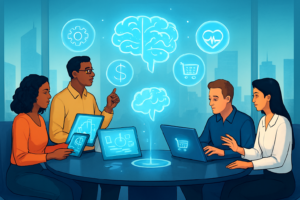
Business has always been the engine of human progress, shaping societies, driving innovation, and creating wealth. Yet in the 21st century, the pace of change has accelerated dramatically. Globalization, digital transformation, sustainability concerns, and shifting consumer expectations are redefining what it means to succeed in business. This article explores the evolution of business, the challenges organizations face today, and the opportunities that lie ahead.
The Evolution of Business
From local trade to global markets: Early businesses were small, community-based enterprises. Today, even startups can reach international audiences through e-commerce platforms.
Industrial revolution to digital revolution: The industrial age was defined by factories and mass production. The digital age is defined by data, automation, and connectivity.
Shift in business models: Subscription services, gig economy platforms, and digital marketplaces have replaced traditional one-time transactions.
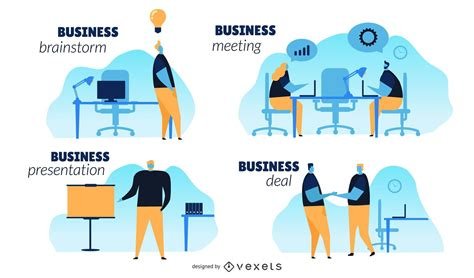
Key Challenges Facing Businesses Today
Global Competition
Companies no longer compete only with local rivals. A small business in Mogadishu, for example, may face competition from firms in Asia, Europe, or North America thanks to online platforms.
Technological Disruption
Artificial intelligence, blockchain, and automation are reshaping industries. Businesses must adapt quickly or risk obsolescence.
Sustainability and Ethics
Consumers increasingly demand that businesses operate responsibly. Environmental impact, fair labor practices, and corporate transparency are now critical to brand reputation.
Economic Uncertainty
Inflation, supply chain disruptions, and geopolitical tensions create unpredictable environments for businesses to navigate.
Opportunities in Modern Business
Digital Transformation: Cloud computing, AI, and big data analytics allow businesses to streamline operations and personalize customer experiences.
Global Reach: Social media and e-commerce platforms enable even small businesses to access international markets.
Innovation in Finance: Fintech solutions, mobile banking, and cryptocurrencies are opening new avenues for transactions and investments.
Sustainability as Strategy: Companies that embrace green practices often find new markets and loyal customers.
The Role of Entrepreneurship
Entrepreneurs are at the heart of business innovation. They identify gaps in the market, take risks, and create solutions that often redefine industries. The rise of startups in fields like renewable energy, health tech, and AI demonstrates how entrepreneurship drives progress.
The Future of Business
Looking ahead, several trends are likely to dominate:
Artificial Intelligence Integration: AI will move from being a tool to a core driver of decision-making.
Remote and Hybrid Work Models: The pandemic accelerated flexible work arrangements, which are here to stay.
Personalization at Scale: Businesses will use data to tailor products and services to individual preferences.
Circular Economy: Recycling, reusing, and reducing waste will become central to business strategies.
Business in the 21st century is dynamic, complex, and full of opportunity. Success requires adaptability, innovation, and a commitment to ethical practices. Companies that embrace change, leverage technology, and prioritize sustainability will not only survive but thrive in the decades ahead.

contact us more https://meeqam.com/contct us/