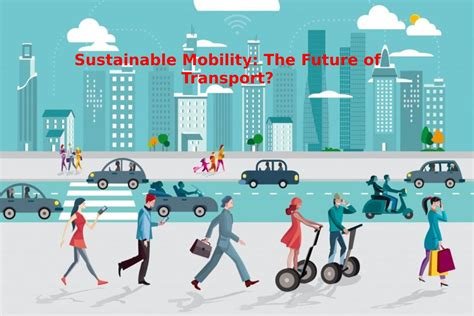
Transportation is at the center of global economic activity and daily life. By 2026, the industry is experiencing a profound shift toward sustainability, connectivity, and automation. Electric vehicles (EVs), autonomous systems, and smart infrastructure are reshaping how people and goods move, while governments and businesses invest trillions in cleaner, smarter mobility systems.
- Key Innovations
Electric Vehicles (EVs)
EV adoption is accelerating worldwide, driven by falling battery costs and stricter emissions regulations. Road transport accounts for three-quarters of transport emissions, and meeting climate targets requires a 59% CO₂ reduction by 2050.
Autonomous Vehicles
Self-driving cars and trucks are being tested on highways, while drones deliver packages in urban areas. These technologies promise safer, more efficient logistics.
Smart Infrastructure
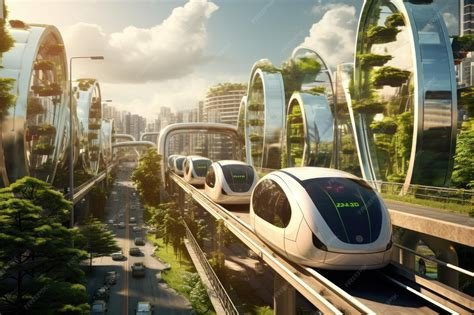
Connected roads, traffic sensors, and AI-driven logistics platforms optimize traffic flow and reduce congestion. Mobility-as-a-Service (MaaS) platforms integrate public transit, ride-sharing, and micro-mobility into seamless journeys.
Alternative Fuels
Hydrogen and biofuels are emerging as complementary solutions to electrification, particularly for heavy transport and aviation.
- Benefits
Environmental Impact: Reduced emissions and cleaner air in urban centers.
Efficiency: Autonomous systems cut congestion and improve freight logistics.
Cost Savings: EVs lower fuel and maintenance expenses compared to combustion engines.
Accessibility: Smart transport systems improve mobility for women, older persons, and low-income communities.
- Case Studies
Singapore: Pioneering smart traffic management and autonomous bus trials.
Norway: Leading EV adoption, with over 80% of new car sales being electric.
United States: Companies like Tesla and Waymo advancing EVs and autonomous driving.
China: Building the world’s largest EV charging network and investing heavily in high-speed rail.
- Challenges
Infrastructure Investment: Charging stations, smart roads, and autonomous systems require massive funding.
Regulation: Governments must adapt laws for autonomous vehicles and data privacy.
Cybersecurity Risks: Connected cars and smart infrastructure are vulnerable to hacking.
Equity: Ensuring access to sustainable transport across all communities remains a challenge.
- Future Outlook
By 2035, most new vehicles are expected to be electric or autonomous. Cities will rely on smart infrastructure, and global logistics will be powered by AI-driven systems. The transition is not only technological but also social, requiring inclusive policies to ensure equitable access to sustainable mobility.
The future of transportation is being shaped by innovation and sustainability. Electric vehicles, autonomous systems, and smart infrastructure are redefining mobility, while alternative fuels and digital platforms expand possibilities. The challenge lies in ensuring that these advances benefit everyone, creating a cleaner, safer, and more inclusive world.
contact us more https://meeqam.com/contct us/