Now that we use systems for democratic processes securing elections is very important for national cybersecurity. By 2026 the systems we use to register voters the machines we use to vote the networks we use to send ballots and the platforms we use to report results will all be at risk of cyber attacks. We need to make sure these election systems are safe, private and available so people can trust them and believe in our democracy.
- Why Election Security Matters
Elections need to be fair and honest so they really show what people want.
People need to believe that their votes are counted correctly.
If other countries interfere with our elections it can cause problems for our government.
We use systems for every part of the election process now.
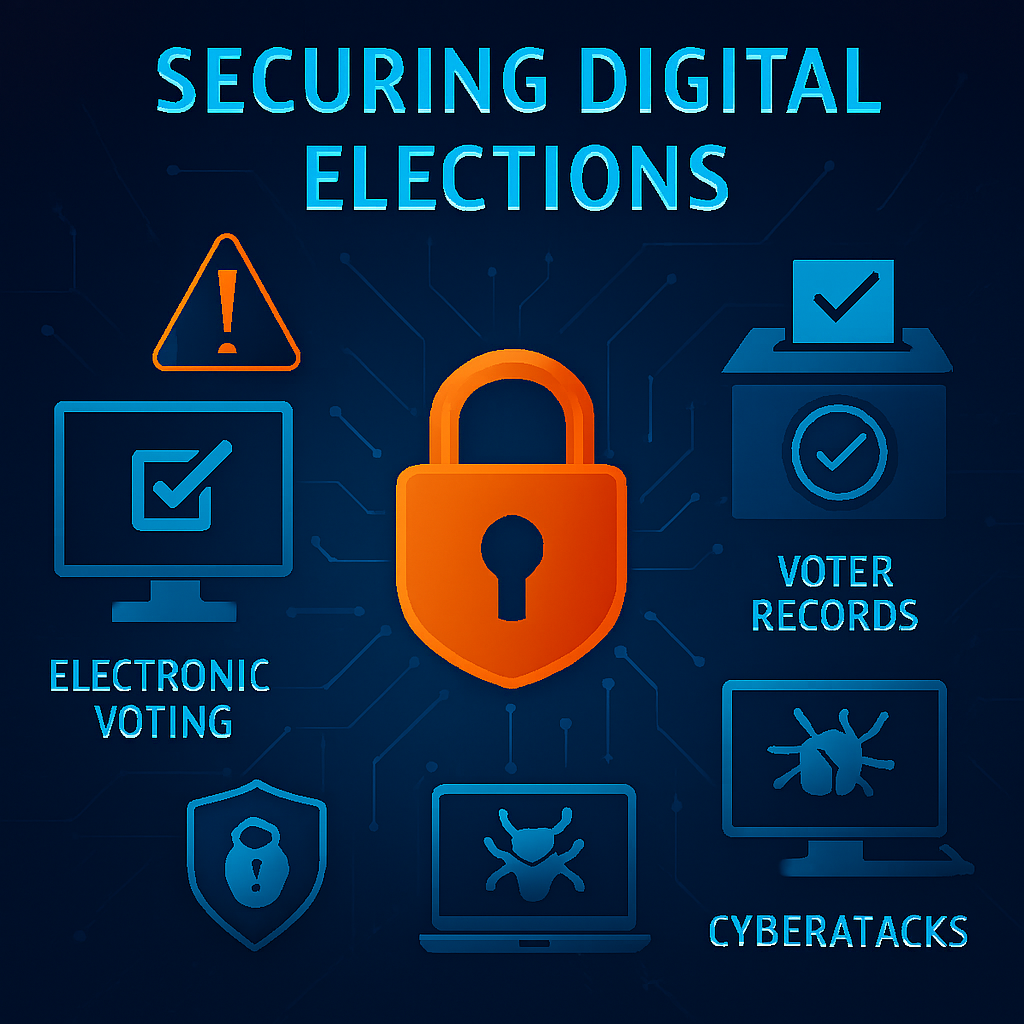
- Common Threats
There are people who try to attack our voter databases and election offices with ransomware.
Some people try to overwhelm our election websites with much traffic, which is called a Distributed Denial of Service attack.
There are also phishing campaigns that try to trick election officials into giving away their passwords.
Some people spread information to make people doubt the election results.
If the software or hardware we use for voting systems is not safe it can be a problem.
- Defensive Strategies
We can use something called End-to-End Encryption to keep our data safe from the time people register to vote until the results are announced.
We can also use Multi-Factor Authentication to make sure only the right people can get into our systems.
We can keep our voting machines disconnected from the internet so nobody can tamper with them remotely.
We need to check our systems to find and fix any weaknesses.
We also need to have a plan in place in case something goes wrong so we can respond quickly.
- Legal and Regulatory Frameworks
The federal government needs to set standards for cybersecurity for our election systems.
Each state needs to work to make sure they are following the same guidelines.
We need to be transparent about any breaches that happen. What we are doing to fix them.
We also need to work with countries to prevent them from interfering with our elections.
- Case Study: 2026 Midterm Elections
For the 2026 U.S. Midterm elections there is a bill that requires better protection for our voting systems, standardized ways of responding to incidents and better sharing of threat information between states.
The people in charge of elections have to deal with threats all the time from ransomware to people breaking into buildings and they have to adapt to higher security expectations. You can learn more about this at securingelections.org.
- Emerging Trends
Some places are trying out blockchain voting to make sure it is transparent and cannot be changed.
We are also looking at using verification to prevent fraud and protect peoples privacy.
We want to make it possible for people who’re overseas or have disabilities to vote securely from their mobile devices.
We need to train election officials so they can deal with cybersecurity issues.
We also need to have ways to stop the spread of information in real time.
- Building a Culture of Electoral Cybersecurity
Technology alone cannot keep our elections safe.
Our governments need to invest in training for election staff.
They need to make people aware of the cyber threats that’re out there.
They need to encourage people to get involved in their communities and learn about systems.
They need to work with public and private organizations to make this happen.
Securing elections in 2026 is not just a technical problem. It is something that is essential for our democracy.
If we use cybersecurity measures, legal frameworks and public engagement we can protect the integrity of our election systems and make sure democracy works well in the digital age.
Securing elections is very important, for our democracy.
We need to make sure our election systems are safe so people can trust them.
Securing elections is a big challenge but we can do it if we work together.
contact us more https://meeqam.com/contct us/