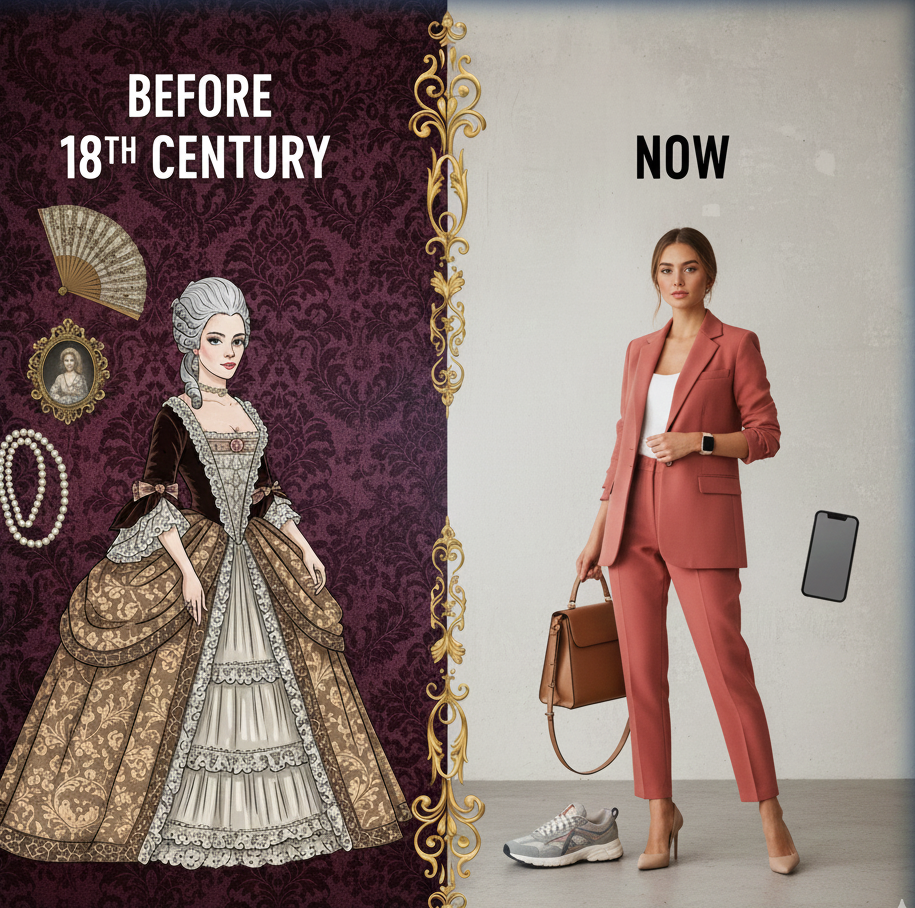
Clothing is more than cloth put together—it has a language we can wear. Fabrications convey what we mean in terms of where we come from, what we stand for, our heritage, our position in society, and our pride. Cultures have always fashioned their own fashion according to climate, material, religion, intellect, and cultural values over the centuries across the world.
This strong connection between fashion and tradition proves that what we wear is part of who we are.
Fashion as identity and heritage
Traditional clothes help people identify their identities. This is because it always makes them remember their origins and their ideologies.
“You can see this everywhere: that a continually
— Vibrant African print colors representing unity and partying
- South Asian saris and sherwanis signifying elegance and culture
- Middle-Eastern abayas and thobes with meanings related to modesty and heritage
- Native beading and feathers acknowledging ancestral tales
- European kilts, dirndls, and national costumes as symbols of national pride
Every piece of clothing has its own significance—the colors, designs, and accessories denoting marriage, age, status, festivals, or celebrations.
Tradition
Preservation of Heritage through Clothing
Even before mass fashion, people used to weave garments by hand, with natural materials such as wool, cotton, silk, and leather. All the skills and designs used to be passed down from parent to child.
Traditional dress:
- Maintains skills
- Builds stronger family and community ties
“- Marks important life occasions such as births, weddings, funerals – Bridges people with their ancestors on a spiritual plane “The wearing of cultural dress makes a statement about memory. It honors those who have preceded us.”
Cultural Fashion in Celebration and Rituals
“Carnavals and rituals showcase tradition and the meaning of clothing extending beyond mere fabric:”
- The brides wear dresses that represent purity, happiness, and prosperity
- Religious holidays trigger small to specific fashion trends
Religious holidays encourage - National days demand national clothing
Coming of age ceremonies signify maturity with specific clothing
Such events serve as a reminder to communities that their cultures are living and not simply a part of ancient history.
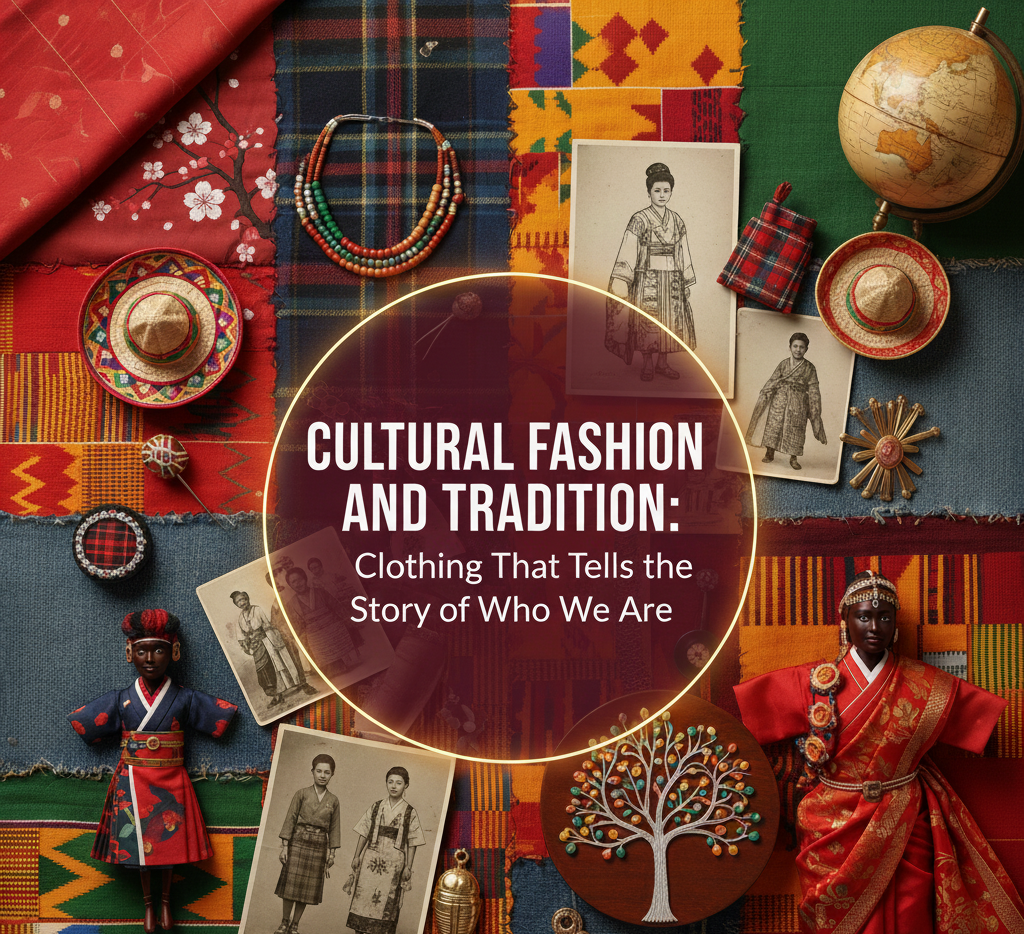
Globalization and Cultural Blending
Today, the world is interwoven. Travel, migration, and technology combine all sorts of fashion from around the globe into a completely new look while still paying respect to the old ways.
Cross-pollination can be very inspiring, but it should be done with caution. It would be very wrong and almost exploitative to use traditional patterns in jewelry without truly comprehending them.
“What is the relationship between power and knowledge in
Do we respect the culture, or are we using it as dressing?
Respectful fashion begins with understanding origins and the individuals behind fashion.
Culture as fashion: constructing modern identity
“The youth incorporate both old and new pieces into an outfit. This may be seen in jeans worn with traditional accessories, a blazer over cloth, or sneakers standing beside cloth.” This is the blending of culture that is continually progressing yet remaining grounded in the traditions. Culture is not something to be preserved; it lives and thrives through every new generation.
Women, Men, and The Role Of Gender In Traditional Dress
Throughout history, the garments we wore were as revealing as the person we were intended to be. Our status in the family, our roles, the requirements of society were all reflected in the clothing. These are the same roots that are valid even now, but the view now is that we should be more open in self-expression through the garments we wear.
People are finding out you can celebrate your culture and still pick comfort, equality, and individuality.
The economic value of cultural fashion
•
In addition to this, there are various traditional arts which keep local artisans, tailors, weavers, as well as designers engaged in their work because when communities
- Employment opportunities are generated
– Skills are kept alive - Young people learn hands-on crafts
– Tourism stimulates local economies
Supporting genuine cultural clothing is important because this not only preserves culture, but it is also a means by
There are several issues affecting cultural fashion.
However, apart from being beautiful, tradition is under threat in
- Mass-produced clothing replacing homemade clothing
Erosion of Cultural Knowledge with the Passing Away of Elders
Eld - Environmental degradation caused by fast fashion
- Misused ‘sacred’ or ‘traditional’ designs by worldwide brands
Education is especially important for the young in the preservation of cultural heritage.
“The future of cultural fashion: respect, sustainability, pride”
The future integrates the old and new in a celebration of creativity and knowledge from the past and from nature, and new and innovative techniques and products from modern times. Designers are now reviving natural dyes and sustainable materials and methods that are not just methodical and careful but also very traditional and from the past
When wearing cultural clothes, we must wear them as follows: “My history, my heritage matters. My community matters. My story matters.” Clothing goes from just being clothing, it becomes identity, it becomes memory, it becomes connection.
Final thought
Cultural fashion demonstrates that every stitch counts. Heritage is passed down from families, communities, and generations, and it defines how we perceive ourselves and those around us. Through appreciations and preservation of cultural fashion, we protect history and uniqueness. In a world where we are often asked to be alike, culture differentiates us in a wonderful way.
contact us https://meeqam.com/