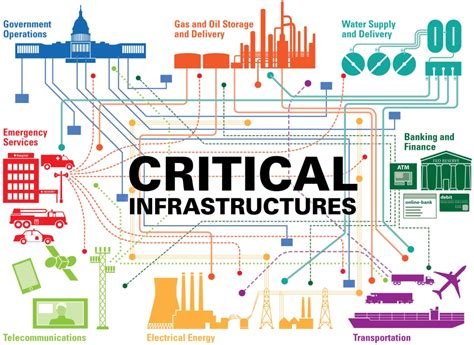
By 2026 critical infrastructure like energy grids, water systems, transportation networks and healthcare facilities has become very digital. This digital change makes things more efficient. It also puts important systems at risk of cyberattacks. If theres a cyberattack it could cause big problems in cities put peoples lives in danger and make economies unstable. So securing infrastructure is one of the most important things to do in cybersecurity today.
- What Counts as Critical Infrastructure?
- Energy: Power plants, smart grids, oil and gas pipelines.
- Water Systems: Treatment plants, distribution networks.
- Transportation: Airports, railways, traffic control systems.
- Healthcare: Hospitals, medical IoT devices, records.
- Finance: Banking systems, payment networks.
- Why It Matters in 2026
- National Security: Cyberattacks can hurt defense operations.
- Public Safety: Problems in healthcare or transportation can put peoples lives at risk.
- Stability: Cyberattacks on energy or finance can cause huge losses.
- Geopolitical Risks: Countries may target countries infrastructure with cyberattacks.
- Common Threats
- Ransomware: Hackers encrypt systems to get money from governments.
- Supply Chain Attacks: Hackers use third-party vendors to get in.
- IoT Exploits: Hackers take control of sensors in grids or hospitals.
- Insider Threats: Employees misuse their access to systems.
- Nation-State Cyberwarfare: Countries coordinate cyberattacks on countries infrastructure.
- Real-World Examples
- Colonial Pipeline (2021): A ransomware attack stopped fuel supply across the US.
- Ukrainian Power Grid Attacks (2015-2016): Nation-state hackers shut down electricity.
- Healthcare Ransomware (2024-2025): Hospitals had to delay surgeries because of cyberattacks.
- Defensive Strategies
- Zero Trust Architecture: Always check users and devices.
- AI-Powered Monitoring: Detect problems in time.
- Encryption Everywhere: Protect data.
- Network Segmentation: Keep systems separate from other networks.
- Incident Response Plans: Have plans to recover quickly.
- Emerging Trends in 2026
- Quantum-Resistant Encryption: Get ready for quantum computer threats.
- Blockchain for Transparency: Secure supply chains and sensor data with blockchain.
- Digital Twins: Test infrastructure to see how it holds up.
- Government Collaboration: Countries share information to fight cyberwarfare.
- Cyber Insurance Evolution: Insurance policies now require following rules.
- Case Study: Energy Sector
Energy grids are targets. In 2026 utilities use AI monitoring Zero Trust and blockchain-based supply chain verification. These measures reduce the risk of blackouts. Make sure they can withstand ransomware and nation-state attacks.
- Building a Cyber-Resilient Culture
technology is not enough to secure critical infrastructure. Employees, contractors and leaders must all care about cybersecurity. Training, awareness campaigns and open communication build trust. Make things more secure.
Critical infrastructure is the backbone of society. In 2026 securing it needs a mix of technology, strong governance and countries working together. By using Zero Trust, AI monitoring and quantum-resistant encryption nations can protect their systems and keep people safe, in a world with more cyber threats.

contact us more https://meeqam.com/contct us/