Passwords have been the way to keep digital information safe for a long time but by 2026 they will not be good enough. Weak passwords, reused passwords or stolen passwords are still the reason for security breaches. To solve this problem many organizations are now using authentication. Like fingerprints, facial recognition, voice recognition and even how people behave. As the new way to verify who people are. This change will make security stronger. It also makes us wonder about privacy, ethics and how well it works.
- What is Biometric Authentication?
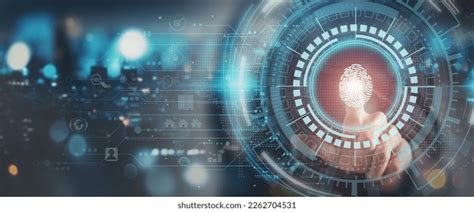
Biometric authentication uses things about a person, like their biology or behavior to check who they are. Some common ways to do this include:
- Fingerprints, which are used in smartphones, laptops and access systems.
- Facial recognition, which is used in airport security and mobile devices.
- Voice recognition, which is used in banking and call centers.
- Behavioral biometrics, which looks at things like how you type or walk.
- Why It Matters in 2026
people are tired of using passwords. They have to remember many complex passwords.
- There are data breaches. Stolen passwords are used for ransomware and phishing attacks.
- Biometric authentication is convenient. It makes it easier to get access to things without having to remember passwords.
- Governments are encouraging ways to verify who people are for important services.
- Benefits of Biometrics
Biometric authentication is hard to copy. It is a way to identify someone.
- It is fast. Biometric authentication happens instantly which makes it easier for people to use.
- It works well with devices, apps and physical systems.
- It helps reduce fraud. It protects against people stealing credentials.
- Risks and Challenges
Biometric data is very sensitive. It is also permanent which makes it a big concern for privacy.
- There are spoofing attacks. Hackers use images or synthetic fingerprints to trick the system.
- There are risks with storing data. A big database of data is a target for hackers.
- Some people may not be able to use biometric methods. This can be an issue for accessibility.
- Case Study: Banking Sector
In 2026 banks are using recognition and voice recognition more and more for secure transactions. Customers can authorize payments with a glance or by saying a phrase. While the number of fraud cases goes down banks have to deal with concerns, about privacy and make sure that biometric data is encrypted and stored safely.
Cybersecurity in 2026: The Rise of Biometric Authentication
Passwords have been the way to keep digital information safe for a long time but by 2026 they will not be good enough. Weak passwords, reused passwords or stolen passwords are still the reason for security breaches. To solve this problem many organizations are now using authentication. Like fingerprints, facial recognition, voice recognition and even how people behave. As the new way to verify who people are. This change will make security stronger. It also makes us wonder about privacy, ethics and how well it works.
- What is Biometric Authentication?
Biometric authentication uses things about a person, like their biology or behavior to check who they are. Some common ways to do this include:
- Fingerprints, which are used in smartphones, laptops and access systems.
- Facial recognition, which is used in airport security and mobile devices.
- Voice recognition, which is used in banking and call centers.
- Behavioral biometrics, which looks at things like how you type or walk.
- Why It Matters in 2026
people are tired of using passwords. They have to remember many complex passwords.
- There are data breaches. Stolen passwords are used for ransomware and phishing attacks.
- Biometric authentication is convenient. It makes it easier to get access to things without having to remember passwords.
- Governments are encouraging ways to verify who people are for important services.
- Benefits of Biometrics
Biometric authentication is hard to copy. It is a way to identify someone.
- It is fast. Biometric authentication happens instantly which makes it easier for people to use.
- It works well with devices, apps and physical systems.
- It helps reduce fraud. It protects against people stealing credentials.
- Risks and Challenges
Biometric data is very sensitive. It is also permanent which makes it a big concern for privacy.
- There are spoofing attacks. Hackers use images or synthetic fingerprints to trick the system.
- There are risks with storing data. A big database of data is a target for hackers.
- Some people may not be able to use biometric methods. This can be an issue for accessibility.
- Case Study: Banking Sector
In 2026 banks are using recognition and voice recognition more and more for secure transactions. Customers can authorize payments with a glance or by saying a phrase. While the number of fraud cases goes down banks have to deal with concerns, about privacy and make sure that biometric data is encrypted and stored safely.
contact us more https://meeqam.com/contct us/