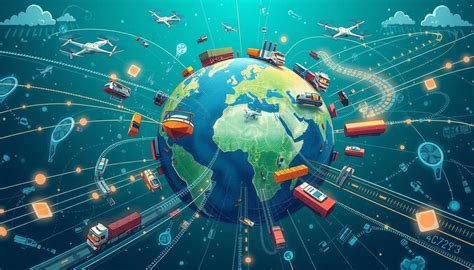
Global trade has always helped economies grow. Lately it has faced challenges. Trade tensions between countries, problems with supply chains and fast changes in technology are changing how nations and businesses work together.
- Changes in Geopolitics
Trade wars and tariffs are issues between major economies. This affects how goods are made and delivered around the world.
Countries are forming trade groups and agreements. This helps them work around powerful countries.
Nations are focusing on being strong and independent in industries. This is because of security worries.
- Technology’s Role in Trade
Online platforms make it easy for businesses to sell products across borders.
Blockchain technology helps make trade more transparent and reduces cheating.
Artificial intelligence help with logistics, customs and predicting what people will want to buy.
- Real-Life Examples
China’s Belt and Road project is building infrastructure to connect Asia, Africa and Europe.
Amazon’s global selling program helps small businesses sell to customers worldwide.
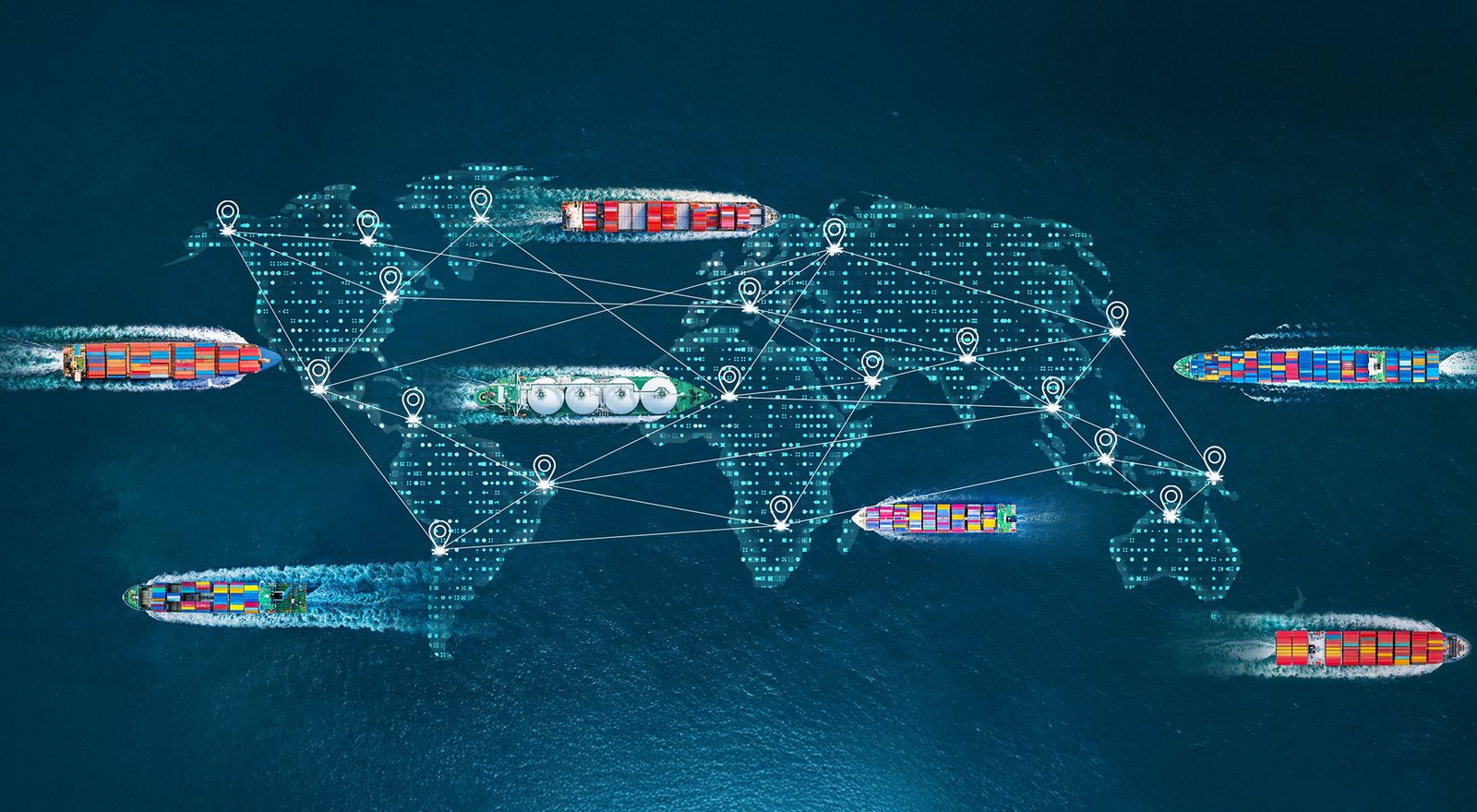
Maersk is using blockchain and AI to make shipping and logistics better.
- Challenges Ahead
Supply chains can be weak. Natural disasters, pandemics and political problems can disrupt the flow of goods.
Different countries have rules. This makes it hard for businesses to follow all the rules.
There is pressure to make global shipping more environmentally friendly. This means reducing carbon emissions.
- What’s Next
Trade might become more localized. This means supply chains could be shorter to reduce risk.
Green trade will become important. Being sustainable will help businesses compete in trade.
Countries will make rules, for trade and data flows. This is because digital trade agreements are becoming more common.
Global trade is changing. Geopolitics and technology are driving this change. Businesses that adapt will do well. Those that don’t will be left behind.
contact us more https://meeqam.com/contct us/