The world is connected and logistics is what makes business work. Every product we use from smartphones to food relies on supply chains that go across continents.. In recent years we have seen how easily these systems can break. The COVID-19 pandemic closed ports and factories the blockage of the Suez Canal stopped billions of dollars in trade and disagreements between countries disrupted routes. Climate change is adding another layer of uncertainty. These problems have forced logistics companies to think about their plans. Being strong enough to deal with problems, which was not a concern before is now the most important thing for modern supply chains.
The Effect of Global Problems
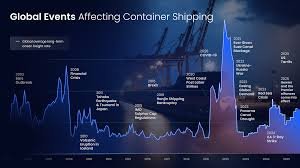
problems have shown that logistics networks are weak. The pandemic showed how much industries depended on suppliers especially in Asia. When factories closed companies did not have the parts they needed. The blockage of the Suez Canal in 2021 showed how one problem could stop trade. Disagreements between countries and trade wars have made things more complicated with taxes, sanctions and changed routes for shipments.
These events showed that companies need to have suppliers and be able to change plans. Companies realized that just being efficient with stock and just-in-time delivery was not enough. Without being strong enough to deal with problems supply chains fall apart under stress.
Using Technology to Be Stronger
Technology is helping to make logistics stronger. Digital copies of supply chains, blockchain and predictive analytics are changing how companies prepare for and respond to problems.
Digital copies of supply chains let companies practice scenarios, like port closures or changes in demand and plan what to do ahead of time.
Blockchain makes records of transactions that’re transparent and cannot be changed, which increases trust and visibility across supply chains. This reduces cheating. Improves accountability.
Predictive analytics uses intelligence to predict possible risks from weather events to political instability and helps companies make decisions before problems happen.
Being able to see what is happening in time is a very important innovation. Platforms that track shipments across types of transportation give companies the ability to change routes instantly when problems occur. This changes supply chains from reacting to problems to being able to predict and prepare for them.
Having Many Suppliers and Bringing Production Closer to Home
One of the changes in logistics is having many suppliers. Companies are moving away from relying on one supplier or region. Bringing production closer to home and moving production to neighboring countries is becoming more popular as companies try to bring production to where products are sold.
Bringing production closer to home reduces transportation costs and risks. For example companies in the United States are investing more in Mexico.
Some companies are bringing production back to their home country to have control.
Logistics companies are building distribution centers closer to where productsre sold which helps with delivery and makes supply chains stronger against global problems.
This trend does not mean that globalization is ending. Rather that it is changing. Global networks are still important. Being able to change plans quickly is now equally important.
Climate Change and Environmental Risks
Climate change is a growing threat to logistics. Extreme weather events, like hurricanes, floods and wildfires can close ports, damage infrastructure and delay shipments. Rising sea levels threaten logistics hubs while heatwaves strain transportation systems.
To adapt companies are investing in infrastructure that can withstand climate change and technologies that can change routes. Using energy is also important. Electric trucks, solar-powered warehouses and sustainable shipping fuels reduce both impact and vulnerability to changes in fossil fuel prices.
Being sustainable and being able to withstand problems are becoming more connected. A supply chain that reduces emissions is not good for the environment but also less exposed to regulatory and reputational risks.
Working Together and Partnerships
Being able to withstand problems cannot be done alone. Logistics companies, governments and technology companies are working together to build networks. Shared data platforms allow stakeholders to exchange information in time which improves coordination during crises.
Partnerships between the private sectors are also important. Governments play a role in securing infrastructure and ensuring regulatory frameworks support innovation. For example modernizing customs reduces bottlenecks. Improves resilience.
Working together extends to competitors well. In times of crisis logistics companies may share resources to maintain flows of goods. This cooperation strengthens the system.
People and Skills
Technology and infrastructure alone cannot guarantee being able to withstand problems. Human expertise is still very important. Workers need to be trained to handle crises use tools and adapt to new roles.
Digital literacy is necessary for employees to interpret data and manage systems.
As automation takes over tasks workers need to transition to supervisory and analytical roles.
Strong leadership is crucial in navigating uncertainty making decisions and maintaining morale.
Companies that invest in workforce development will be better positioned to use technology while maintaining flexibility. The human factor ensures that supply chains remain adaptable in environments.
Being able to withstand problems has become the competitive advantage in logistics. Global problems have shown that just being efficient is not enough; supply chains must be robust, flexible and able to adapt. Technology provides tools, for visibility and prediction having many suppliers reduces dependency being sustainable addresses climate risks and working together strengthens networks. Above all human expertise ensures adaptability.
The future of logistics will be defined not by avoiding problems. By thriving despite them. Supply chains that can withstand problems will stabilize economies support communities and ensure that goods continue to flow in a world. In this era being able to withstand problems is not just a strategy. It is the foundation of global business.
contact us more https://meeqam.com/contct us/