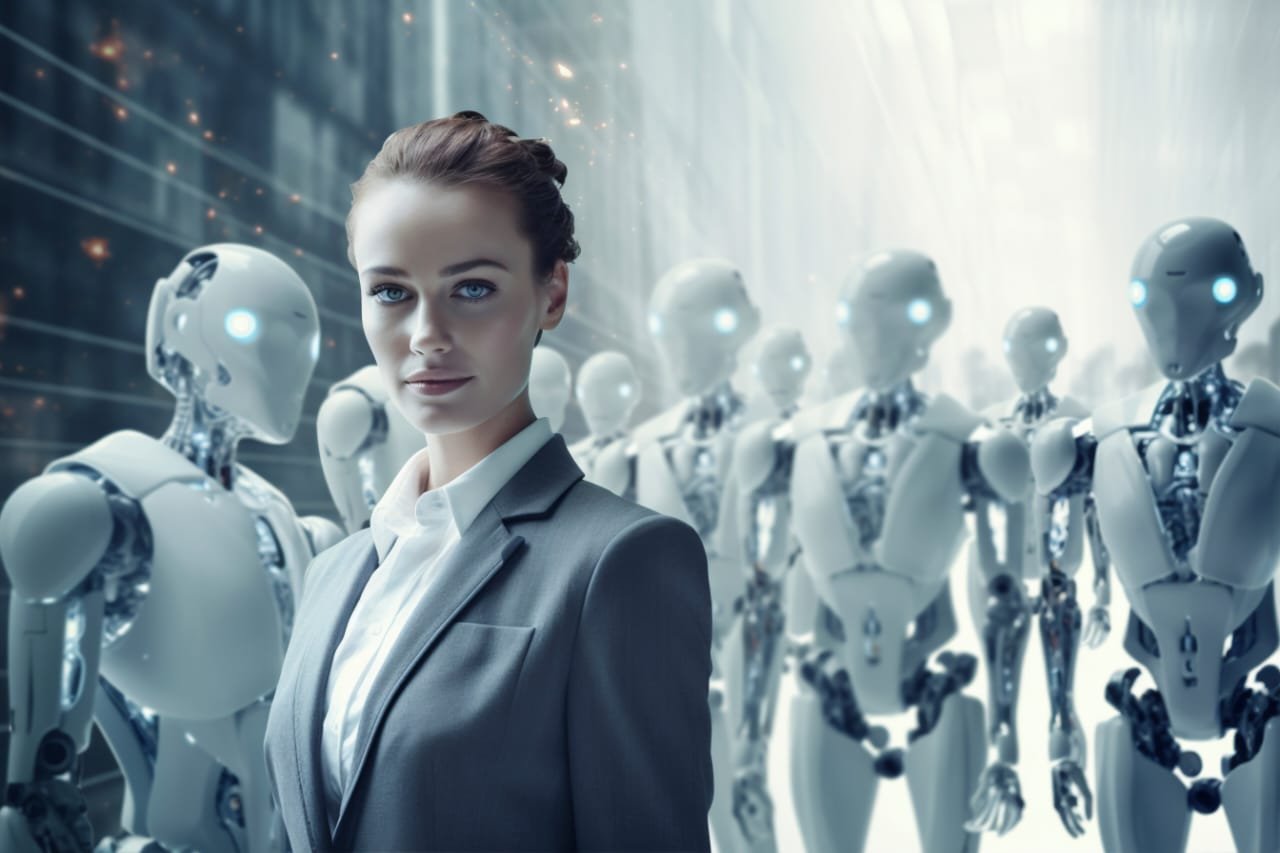
AI Shaping Work In The Future
Computers that think like humans are altering workplaces worldwide at a pace unseen before. Not only replacing routine tasks but also sparking fresh kinds of work across fields.
Old roles fading even as unfamiliar paths open up ahead. Staying flexible becomes essential when machines handle more every year. Skills once valued may not matter tomorrow, yet learning keeps workers on solid ground. Change isn’t waiting it moves quietly through factories, offices, hospitals. People who adjust tend to stay relevant without chasing trends. The shift feels sudden though it has been building behind the scenes. Jobs lost today often give way to others not imagined yesterday. Adapting doesn’t mean rushing forward blindfolded.
1. The Rise of Artificial Intelligence at Work
A shift has happened. Right now, artificial intelligence works behind the scenes in regular jobs. Firms such as Google push changes forward, building systems that handle routine work without help. Microsoft shapes software that digs into information faster than people can. OpenAI builds models that guide choices with less guesswork involved. This isn’t coming soon – it’s here, running quietly inside daily operations.
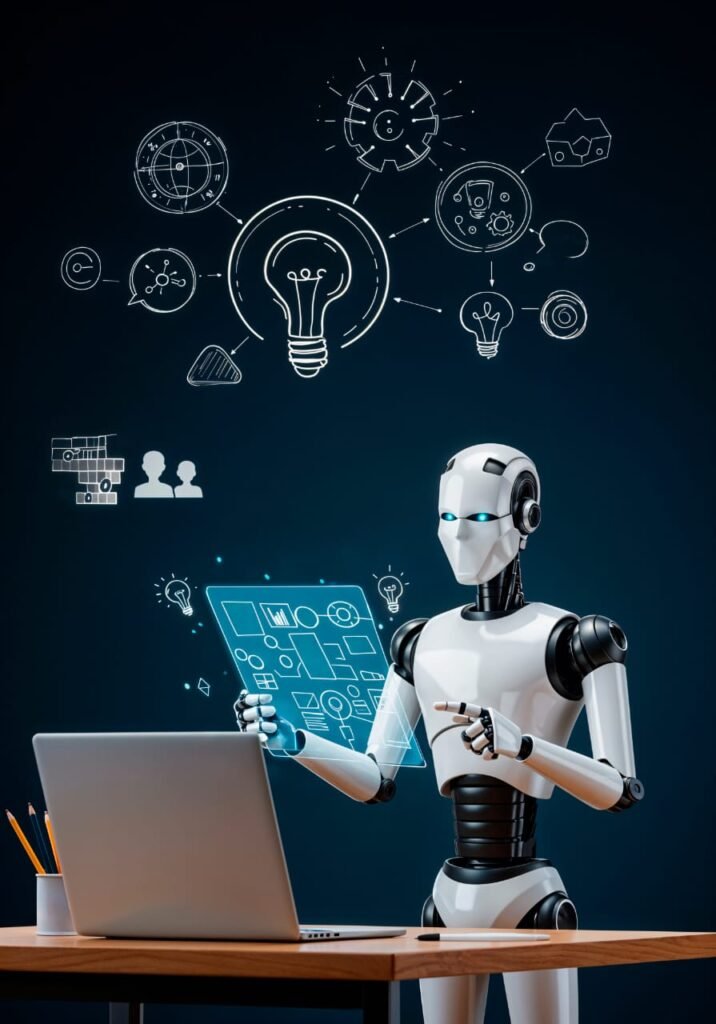
AI systems can now:
Process large amounts of data instantly
Automate repetitive tasks
Assist with customer service through chatbots
Generate content, code, and designs
2. Jobs Most Affected by AI
When it comes to repeating the same steps over and over, artificial intelligence tends to perform well. Because of that, certain roles might soon be done by machines instead.
High risk roles:
Data entry clerks
Call center agents
Basic accounting roles
Manufacturing line workers
A single chatbot might handle what once took dozens of workers, shrinking entire departments. Machines answer questions without coffee breaks or overtime pay. Some offices now run with fewer desks, quieter than before. Automation quietly fills spaces where voices used to echo all day.
3. Jobs Expanding With AI
Not every job lost to machines vanishes forever. New paths open where old ones close, especially for those learning different ways to work alongside smart systems. More people now needed who understand how algorithms shape daily tasks. Growth pushes fastest in areas few predicted five years ago.
In demand roles:
AI engineers
Data scientists
Machine learning specialists
Cybersecurity experts
Digital marketers using AI tools
Faster than most expected, machine learning now ranks among the world’s quickest expanding job areas.
4. AI Reshaping How People Work
Far from simply swapping roles, technology reshapes the way work unfolds. A shift happens beneath the surface, altering routines in quiet but steady ways.
Key changes:
Human + AI collaboration: Workers use AI tools to improve productivity
Remote work expansion: AI tools support global collaboration
Finding new footing? The spotlight shifts away from hands-on tasks toward thinking things through, crafting ideas. Out comes problem solving, in place of routine doing. Imagination gains ground where physical effort once led. Thoughtful approaches edge out old habits step by step. Cleverness takes center stage, slowly replacing what used to be muscle work
A single writer might tap into artificial intelligence just to speed up first versions of their work. On the flipside, someone building software could lean on similar tech to shape lines of programming. Machines help both, though each job twists the tool differently.
5. Skills That Keep You Current
Staying ahead in a world shaped by artificial intelligence means learning fresh ways to work. Change starts when people grow their abilities beyond old routines. Instead of standing still, movement comes through picking up different tools. Progress shows up not by waiting, but by doing things differently each day. Growth happens when effort meets opportunity, one step at a time.
Essential skills:
Critical thinking
Digital literacy
Problem solving
Creativity
Emotional intelligence
Folks who understand stuff like Data Science tend to stand out more these days. A skill set focused on data can open doors once closed.
6. The Future of Jobs Is Neither Threat Nor Opportunity?
Fear around machines replacing people runs deep, yet chance hides within that shift too. Every wave before now wiped out roles while quietly building new ones instead.
Switching things up causes the most trouble
Workers must reskill
Education needs backing from those who run countries
Businesses must invest in training
Conclusion
Humans won’t vanish from the picture machines will simply push their skills further. Staying ahead means shifting, growing, then moving step by step with smart tools nearby.
A fresh chance opens up when people welcome AI, not resist it. Growth shows its face through how teams adapt. Organizations find paths forward by using what’s available. Innovation follows where curiosity leads. New doors appear once effort meets change.