Phishing Attacks and How to Defend Against Them
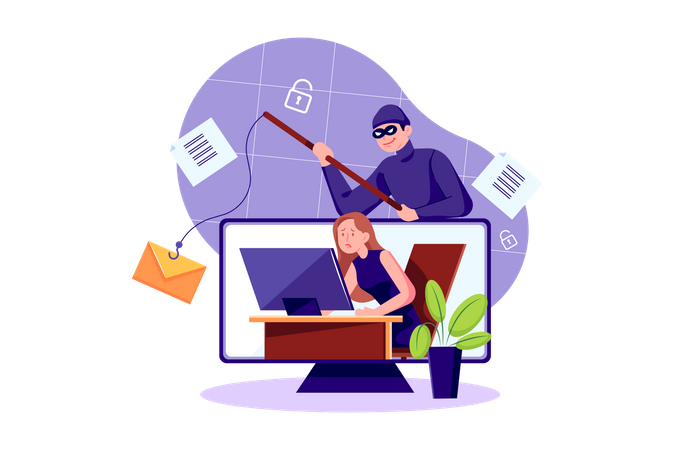
Phishing is a problem on the internet. It is a type of cybercrime that tricks people into giving away information. Phishing attacks do not try to find flaws in software. Instead they try to manipulate peoples emotions, like fear and trust. Attackers send messages that look real. Are actually fake and trick people into doing something that can harm them. Even though people have been warned about phishing for a time it is still a big problem because it targets the weakest part of cybersecurity which is people. This article will explain what phishing is, how it works and how to defend against it.
- What is Phishing?
Phishing is when someone tries to trick you into giving them information by pretending to be someone you trust. They might say they are from your bank or from a government agency. They will try to get you to click on a link or open a bad file or enter your login information on a fake website.
For example you might get an email that says it is from your bank. It says that there is something wrong with your account. It will ask you to click on a link to fix the problem.. The link will take you to a fake website that looks like your banks website and if you enter your login information the attacker will get it.
- Types of Phishing
There are different types of phishing attacks.
- Email Phishing: This is when attackers send emails to a lot of people hoping that some of them will fall for the trick.
- Spear Phishing: This is when attackers target people or organizations and try to make the email look like it is from someone they trust.
- Whaling: This is when attackers target people like executives and try to trick them into doing something that will harm the company.
- Smishing: This is when attackers send text messages usually with a bad link.
- Vishing: This is when attackers call you on the phone and try to trick you into doing something.
- Clone Phishing: This is when attackers copy an email but change the link to a bad one.
All of these types of phishing attacks show that attackers are always trying to come up with ways to trick people.
- Why Phishing Works
Phishing attacks work because they use emotions to trick people.
- They might make you feel like you have to do something away or something bad will happen.
- They might make you feel scared like your account has been hacked.
- They might make you feel curious like you have won a prize.
- They might make you feel like you have to do something because someone important is telling you to.
These emotions can make people do things without thinking even if they are usually careful.
- Real-World Impact
Phishing attacks have caused a lot of problems in the world.
- During the 2016 US election some people were targeted by spear phishing attacks and their emails were made public.
- In 2020 some Twitter employees were tricked by phone phishing and their accounts were taken over.
- Companies lose a lot of money every year because of phishing attacks. It can also hurt their reputation.
All of these examples show why phishing is still a problem.
- Recognizing Phishing Attempts
There are some signs that can help you recognize phishing attempts.
- The email address of the sender might look suspicious.
- There might be spelling or grammar mistakes in the email.
- The email might start with a greeting like “Dear Customer”.
- There might be a link or attachment in the email.
- The website link might look similar to a website but with a small difference.
If you can recognize these signs you can help protect yourself from phishing attacks.
- Defensive Best Practices
There are some things you can do to protect yourself from phishing attacks.
For individuals:
- You should always check the link before you click on it.
- You should check the email address of the sender to make sure it is real.
- You should not open attachments from people you do not know.
- You should use two-factor authentication to make it harder for attackers to get into your account.
- You should report any emails to your email provider.
For organizations:
- You should train your employees to recognize phishing attempts.
- You should use email filters to block emails.
- You should have a plan in place in case of a phishing attack.
- You should limit the access of your employees to information.
- Emerging Trends in Phishing
Phishing attacks are always evolving.
- Attackers are now using intelligence to make their emails look more real.
- They are using voices to make it sound like they are someone important.
- They are using media to send fake messages.
- They are using QR codes to send people to websites.
All of these trends show that phishing is still a big problem and we need to be careful.
- Case Study: Business Email Compromise (BEC)
BEC scams are when attackers pretend to be someone like a CEO and try to get an employee to do something that will harm the company. In 2019 BEC scams cost companies over $1.7 billion. These scams show that it is important to verify any requests that seem suspicious before doing anything.
- Building a Culture of Cyber Awareness
Technology alone cannot stop phishing attacks. Companies need to create a culture where employees feel comfortable reporting emails. They should encourage employees to be skeptical and reward them for being vigilant. This can help create a security culture, where employees are not just potential victims, but also active defenders.
- Checklist for Phishing Defense
is a list of things you can do to protect yourself from phishing attacks:
[ ] Train your employees every quarter to recognize phishing attempts
[ ] Use two-factor authentication, for all accounts
[ ] Use advanced email filters to block suspicious emails
[ ] Create a plan in case of a phishing attack
[ ] Test your defenses with simulated phishing campaigns
Phishing is a big problem that we all need to be aware of. It is not a technical problem but also a human problem. Attackers use emotions to trick people into doing things that can harm them. To defend against phishing we need to be vigilant educate ourselves and use technology to help us. If we can do all of these things we can reduce the risk of phishing attacks. Make the internet a safer place. Phishing tactics are always evolving so we need to stay of them to protect ourselves. Phishing is a problem and we all need to take it seriously. By working we can make a difference and prevent phishing attacks.
contact us more https://meeqam.com/contct us/