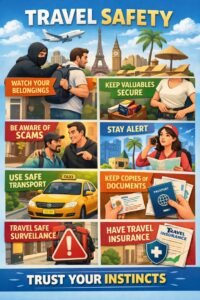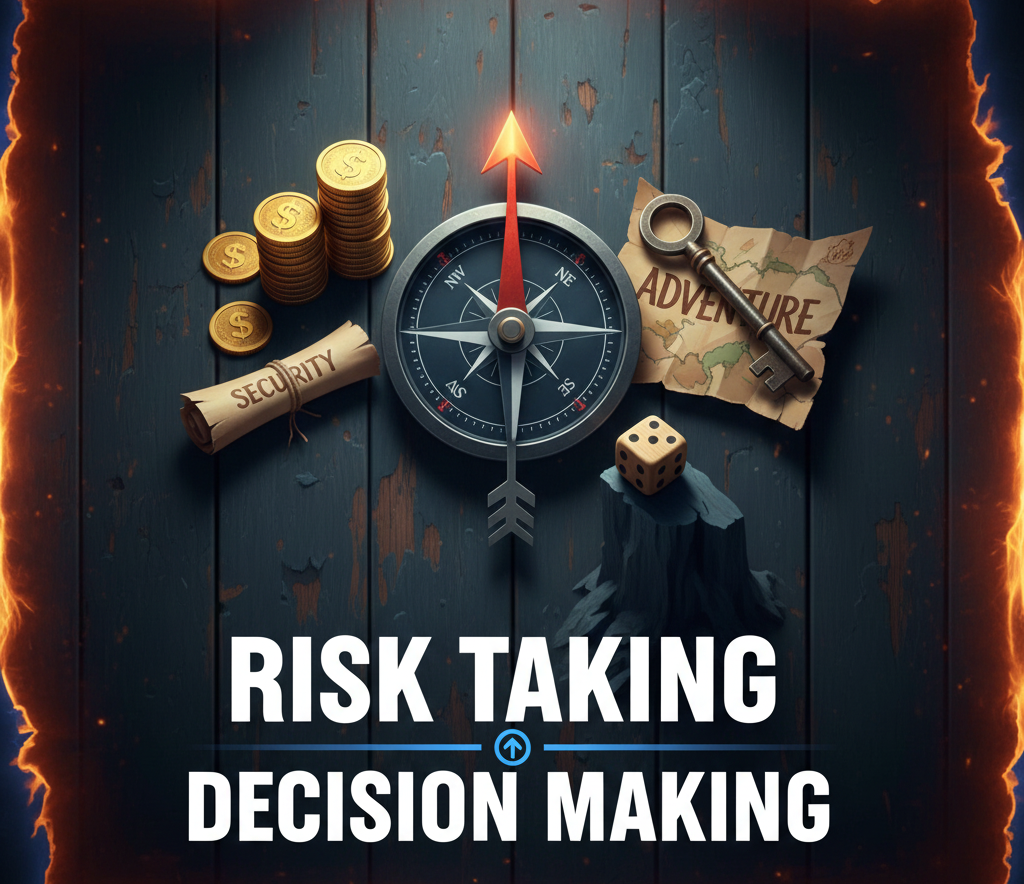
Every day, we face choices: big and small. Which job to take, whether to launch a business, who deserves our trust, when to speak, whether to stay in the safe harbor or step into the unknown.
Behind each choice, a quiet question surfaces:
“Is the risk worth it?”
Growth is risky. More experience requires more risk. More innovation requires more risk. More progress requires more risk. More smart choices mean less chance of regret, loss, or unnecessary pain from the risk taken. It’s not to avoid risk, but to take the right ones at the right time for the right reasons.
So, what is involved in taking a risk?
Risk-taking means opting for an action whose outcome is not certain. Things might go well, or they might not. That uncertainty stirs fear, but it also opens doors.
Consider:
Starting a new project or venture
- Speaking up in meetings
Moving to a new city or abroad
New career path entering - Investment of time or money
- To share ideas or ask for assistance
Every great accomplishment-inventions, discoveries, big victories, breakthroughs-started with someone willing to take a considered risk.
Smart risks vs. reckless risks
Not all risks are created equal.
Reckless risk ignores consequences. It’s impulsive, hurried, and emotionally driven.
Smart risk is intentional. It’s informed, reflected on, and planned.
Smart risk takers ask themselves:
What would go right?
What could go wrong?
How can I minimize the downsides? What will I learn if it doesn’t work? That’s the balance of courage and caution that powers strong decision-making.
Fear of risk is just the way the human body is supposed to work. Our brains keep us safe from danger. Sometimes this can be taken just a little bit too far.
Reasons why people recoil at the mention of risk:
– Fear of failure and appearing foolish
Doubts about own abilities
– Pain caused due to previous experiences
- Family or Societal Pressure
- A desire for a sense of control and certainty
OverThinkingandAnalysis
- Over
However, not taking risk has its cost too. The cost is in the form of missed opportunities, lost dreams, and future regret. Many times, the greatest risk is actually the risk of not taking any risk.
Decision making: the habit that shapes what happens next
Every path begins with a choice. Effective decision-making is about how you choose routes that suit your values, goals, and well-being.
Strong decision makers:
- Collect information
- Listen to advice, think on their own
- Think long-term and don’t be solely concerned with short-term convenience.
- Remain calm, not frantic
- Reap the benefits
- Learn from failures, not from blaming others
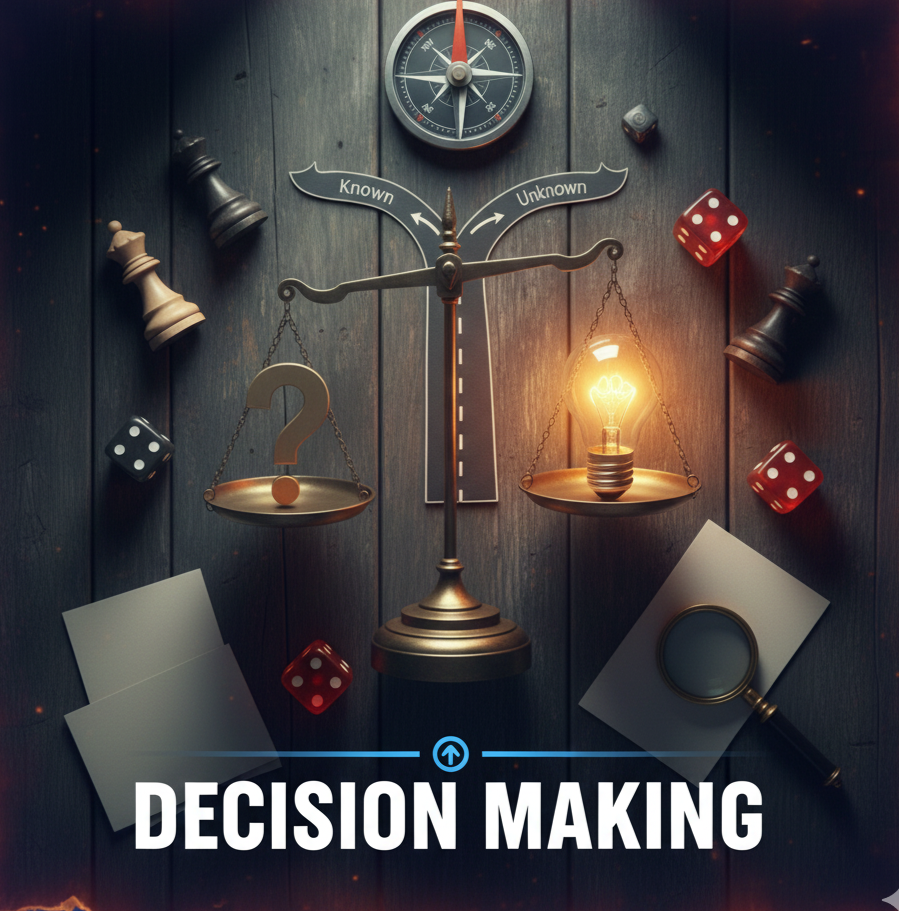
Practice enhances decision-making skills, just like other skills.
THE STEP-BY-STEP PROCESS FOR HARD CHOICES
For tough
“When you’re facing an important decision, try this approach: Write down all your thoughts
- Define the real problem
Ask yourself: “What exactly is the choice that I’m making?” Clarify and you’ll stop being led by emotions.
- Collect facts
Research, ask questions, and think about other perspectives. The more you know, the less unnecessary risk you take. 3. List Your Options There are usually a number of ways to solve a problem. A good rule is to write them all 4. Weigh pros and cons Consider benefits and costs.
Consider effort required and risks.
Consider long-term outcomes. 5. Decide—and commit Make a choice and take action. It’s unnecessary to overanalyze once the choice is made since overthinking leads to more anxiety while If it is not perfect, adjust. Flexibility is an asset.
How to assess risk using your headclearly
Before you dive in, ask yourself three things:
- Probability: What is the likeliness of success?
– Impact: If it works, what is the gain? If it doesn’t, what is the cost? - Preparedness: “Do you have the capabilities to deal with the results?”
This prevents blind gambling and allows you to take calculated gambles with true payoff potential.
Learning from failure, not fearing failure
“Failure is not the opposite of success; it is part of success.”
“Every lesson reduces risk in future moments.”
“When things go wrong:”
These
- Reflect without shame
- Decide What Worked And What Didn’t
- Ask yourself, “What will I do differently next time?”
- Again, with a better plan
“Successful people aren’t those who never fail but those who continue to learn.”
Emotional Intelligence in Decision-Making
Emotions affect decisions. Fear, excitement, and anger can cloud judgment. Emotional intelligence will help you take a step back and make good decisions.
**Practical strategies
- Give yourself time when emotions are involved
- Discuss decisions with an independent third party
- Be aware if actions like “pride,” “jealousy,” or “ego” are
- Understand yourself and others more because of it
“Calm mind brings order,” as Norman Vincent Peale
Ethical risk-taking
Good leadership appears during times of risk. It is always important to ask:
“Is this decision honest, fair, and respectful?”
Cutting corners and the like will spoil success. Success will actually arise out of integrity.
Every Day: Ways To Practice Healthy Risk Taking
You don’t have to chase extreme wagers. Start small:
- Apply for the job that’s just a little bit out of reach
- Avoid a conversation you’ve been putting off
- People share their views openly
- Sign up for a class that intimidated you
- Visit a foreign country
- Attempt a new artistic project
Every small risk increases confidence while diminishing fear. A balance of intuition and logic
4 At times your instincts tell you something even before you analyze it. Good decision-making combines instincts with a test. * Use the intuition as a signal – The logic used as the test is: They all combine to make better decisions.
contact us https://meeqam.com/