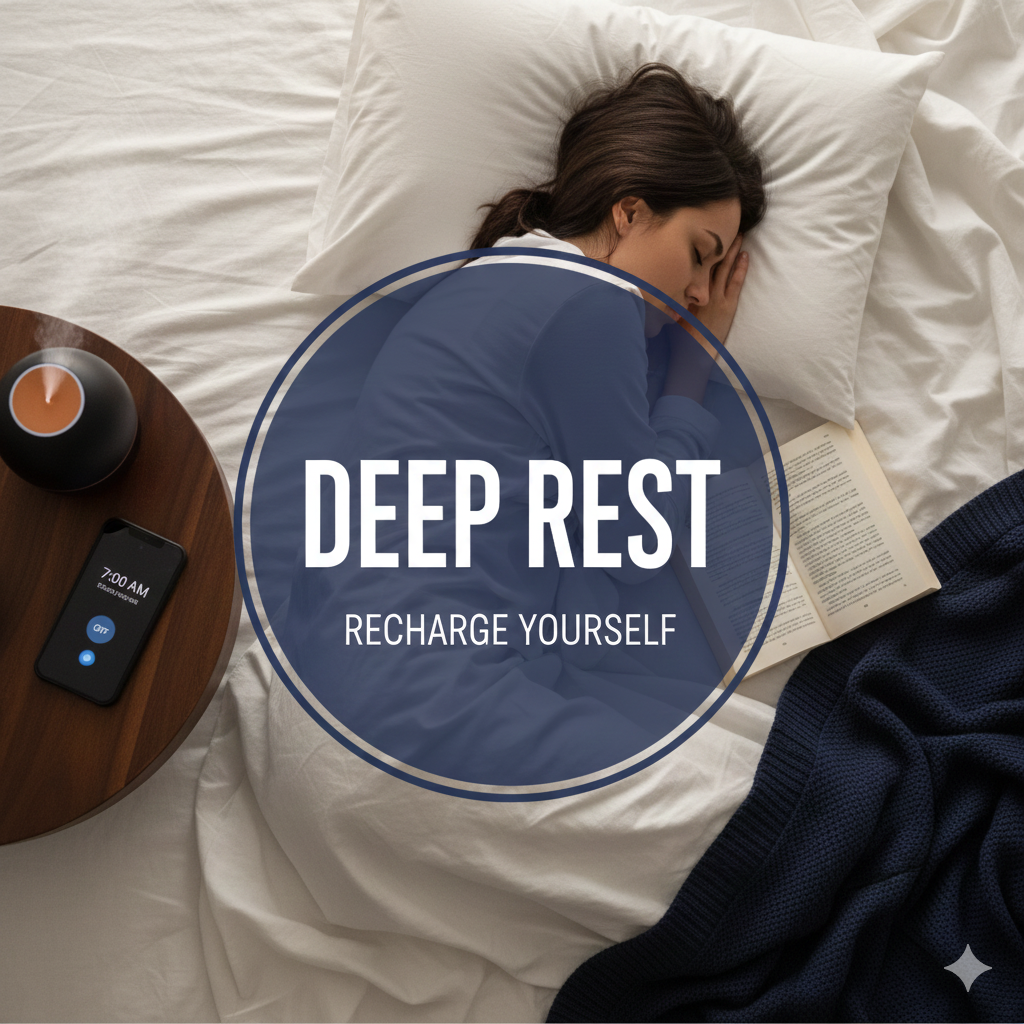
In a society that celebrates the hustle and the late hours of productivity, sleep is frequently something we fit in after everything else. We stay up scrolling through our phones and computers, studying and worrying and working.
It’s our story. We tell ourselves such things
“I’ll sleep when I’m done.”
“Four hours will do.”
“Coffee will fix this.”
“In reality, the needs for healthy sleep are straightforward and cannot be ignored: Sleep is not something we choose to do; it is something that our bodies need as a vital fuel.” Without sufficient sleep, the body will begin to deteriorate, the mind and thoughts will dull, and the emotional state will become wavering and unbalanced. Sleep works behind the scenes to promote almost every function of the body.
What’s actually going on during the hours when we’re sleeping? It may seem as if the process is passive, but under the surface, the body is hard at work with its most important tasks:
- The brain is involved in storing memories and removing wastes.
- The immune becomes stronger, thus aiding in resisting an illness.
- Regulate the balance of hormones, which control appetite, stress, and growth
– Repair and rebuild. – Repair and rebuild
- The heart rate and blood pressure normalize.
Sleeping is like turning off a factory before an upgrade—things will go south sooner rather than later.
Rest and sleep are actually not the same thing. These two are very commonly confused with one another. While sleep is a biological need conducted in deep cycles by your brain and body, rest is a state you choose to relax in during your waking hours. This could include a quiet time where you reflect and breathe deep; it could include doing something very soothing. You can get eight hours of sleep but feel exhausted if your days are filled with constant stress. The best life requires a balance between the longest night sleep and the most mindful daily rest times.
How your disturbed sleeping affects your body and your mind
Short-term deprivation of sleep puts your body in the
- Foggy and forgetful
- More easily irritated or emotional.
- Slower to react and decide
- Greater likelihood of binge-eating or having sweet cravings
- Less motivated to exercise
- Less motivated to concentrate
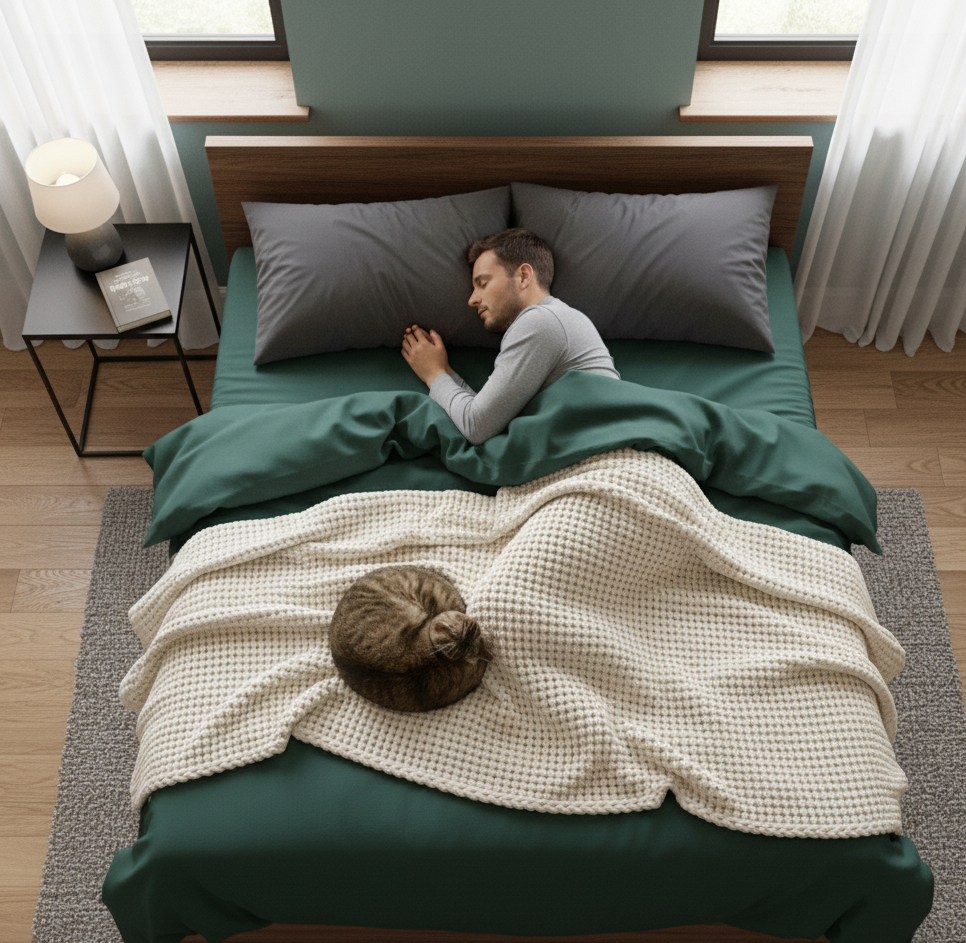
Long-term lack of sleep increases the risk of:
- Heart disease
- High blood pressure
- Diabetes
Depression and anxiety
- Weight gain
- Weakened Immunity
The cost of a night of poor sleep is longer than the time to compensate.
The Myth: “I don’t need much sleep” Mistake # 1
Some people say, “I am good on just four or five hours.”
However, the body adapts, although it’s just not an adaptation in a healthy manner. People become used to feeling tired and incorporate it into what they consider normal.
Most adults require 7 to 9 hours. Teengers require 8 to 10 hours.
Your brain is not lazy; it needs maintenance.
This is because sleep is an activity with five stages. These five stages
Several snoozing saboteurs are stealing you sleep:
- “The presence of screens in homes has led to people being exposed to blue
- Busy schedules with later bedtimes
- Stress and overthinking
- Late caffeine, energy drinks, or large dinners – Irregular sleeping patterns – Cluttered, noisy, or uncomfortable sleeping places The important thing: small, gradual changes have a profoundly positive effect on the quality of your sleep.
Imagine sleeping as an everyday ritual you need to train your brain to do. An easy and practical guide to a healthy sleeping routine:
x Laboratories’ Work Habits
It is helpful to strive for regular times both for sleep and bed. This is because your body gets along with regularity.
2) A gentle wind-down
Approximately 30-60 minutes before bedtime, begin unwinding for sleeping:
- Dim or eliminate the screens
- Dim the lights
- Engage in relaxing activities such as reading, stretching exercises, soothing music, praying, and journaling
“This is a signal to your brain: it’s a time to slow down.”
The “P” in meditation refers to
3) A sleep-conducive
Create your bedroom as a soothing, comforting environment:
C. Cool, quiet, dark environment - Supporting mattress and pillow
- No TV use and turning off notifications
Associations between the area and sleeping are what the brain learns.
4) What you consume
Avoid caffeine and heavy meals before bedtime
Drink water, but not too much before bedtime
Keep alcohol and sugar-laced snacks to a minimum, as they will disturb deep
5) Move during the day
Engaging in activities during the day enables your body to adjust well at night; however, intense workouts should be avoided near bedtime. 6) Address stress on purpose Overthinking can be the reason why you can’t fall asleep. Overthinking involves – Write down Tomarrow’s work. – Slow, deep breathing – Short relaxation or mindfulness exercise Writing worries on paper helps your mind feel secure letting them go.
The Value of Daytime Rest
Resting is not slacking off, it’s smart recovery. Taking quick breaks helps focus, fuels creativity, and stabilizes emotions.
Ways to take healthy daily rests:
- “Go outside for some fresh air.”
- Take a quiet break for 10-15 minutes
- Take a quick stretch or a short walk
- Close your eyes and breathe slowly
– Less Multitasking and Mental Overload
Simplify: reduce multitasking
In fact, rest is what helps you work smarter, not harder.
Napping: Is it Helpful or Harm
A short nap lasting for 15-25 minutes is invigorating for a tired brain if one has not slept well. Avoid a long or late nap if you plan to get good sleep at night.
Naps should be viewed as boosters rather than substitutes.
When thoughts keep you up at night
If you’re lying awake with a racing mind:
- Get up from the bed after the 20 minutes Pasang the dim light Do something calm
- Return to bed when you feel drowsy.
This ensures that the brain does not associate the idea of the bed with frustration.
Treat yourself kindly. Rather than:
“Why can’t I sleep? This is awful!”
Try: “My body will rest when it’s ready. I’m safe. I’m relaxing.” Calming thoughts help in peaceful slumber.
Sleep and emotional well-being
Mood and our sleep are interwound with one another.
When Sleep is Scarce:
stress increases in intensity
- problems loom larger
- patience wears thin
- negative thoughts creep in
If sleep is good: - “Mood stays steadier”
Communication flows more effortlessly.
- Emotional bounce-back becomes stronger
Most emotional issues will resolve as the sleep improves—“the sleep is the foundation.”
Seasonal spikes: when sleeping gets harder
Illness, welcoming a newborn baby, examinations, bereavement, or other life-altering events may temporarily upset your sleeping patterns.
In those situations, try:
- short restorative breaks
- Smart Napping
– maintaining a routine if you can
- giving yourself grace
“Remember: this season won’t last. Protect your health as you move through it.””
Easy daily routine for enhanced sleep quality
At night, either write or think about: – one thing you did well today – one thing you are grateful for – one small intention for tomorrow This will shift your thoughts away from stress to relaxing, thus paving the way to sleep.
The actual truth of it all: Sleep: The sign of self-respect
Prioritizing sleep is not laziness. It’s a vow—to your health, to your sharpness, to your future.
Sleeping calibrates the brain.
Resting enhances your spirit.
These three things renew life.
So, as long as you continue to prioritize good sleep and rest, the following are the things that will ultimately result:
thinking more clearly
reacting with greater calm
feeling more energized
doing your best performance
maintaining your long-term health
And possibly most importantly — you feel like yourself.
Tonight, give yourself the freedom to rest. Not because you’ve already done enough… …but because you matter.
contact us https://meeqam.com/