Energy systems worldwide are undergoing a profound transformation. The push for sustainability, combined with technological innovation, is reshaping how power is generated, stored, and consumed. By 2026, clean energy investment surpassed $2.2 trillion globally, signaling a decisive shift toward renewables and smart infrastructure.

- Key Innovations Driving Change
Renewable Energy Expansion
Solar and wind are now the fastest-growing sources of electricity. Falling costs and government incentives have made them competitive with fossil fuels.
Energy Storage Breakthroughs
Advances in lithium-ion batteries, solid-state designs, and hydrogen fuel cells are solving intermittency issues, ensuring reliable supply even when the sun isn’t shining or the wind isn’t blowing.
Smart Grids & AI Integration
Intelligent grids powered by IoT sensors and AI optimize energy distribution, predict demand, and reduce waste.
Decentralized Systems
Microgrids and community-based solar projects empower local energy independence, reducing reliance on centralized utilities.
- Benefits of the Energy Transition
Reduced Carbon Emissions: Renewables cut greenhouse gases, helping meet climate targets.
Energy Security: Nations diversify supply, reducing vulnerability to geopolitical shocks.
Economic Growth: Clean energy industries create millions of jobs worldwide.
Cost Efficiency: Renewable prices continue to fall, making them more affordable than fossil fuels in many regions.
- Case Studies
Europe’s Offshore Wind Boom: Countries like Denmark and the UK lead in offshore wind, producing gigawatts of clean power.
China’s Solar Leadership: China accounts for over 40% of global solar capacity, driving down costs through scale.
Tesla’s Battery Innovation: Large-scale battery farms stabilize grids in California and Australia.
India’s Solar Push: India is rapidly expanding solar parks, aiming for 500 GW of renewable capacity by 2030.
- Challenges Ahead
Infrastructure Investment: Transitioning requires trillions in upgrades to grids, storage, and transmission.
Storage Limitations: Hydrogen and advanced batteries are promising but not yet fully scalable.
Policy & Regulation: Governments must align incentives with sustainability goals.
Global Equity: Developing nations risk being left behind without adequate funding and technology transfer.
- Future Outlook
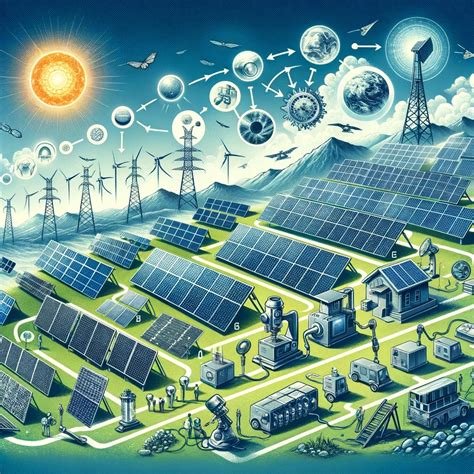
By 2040, renewables are expected to dominate global energy production. Smart grids, AI-driven optimization, and decentralized systems will make energy cleaner, cheaper, and more reliable. The International Energy Agency highlights that innovation in energy technology is accelerating, with over 150 breakthroughs reported in 2025 alone.
The future of energy is not just about replacing fossil fuels—it’s about building smarter, more resilient, and more sustainable systems. Innovation in renewables, storage, and digital infrastructure is powering a world where clean energy is the norm, not the exception. Businesses, governments, and communities that embrace this transition will lead the way toward a sustainable future.
contact us more https://meeqam.com/contct us/