Logistics has always been the backbone of trade. From the trade routes to the big supply chains we have today the way goods are moved has had a big impact on economies, cultures and societies.. In the last few years logistics has had to deal with some big problems. The COVID-19 pandemic messed up shipping politics changed trade and fuel costs went up. These problems showed how important logistics is. Now the industry is changing in a way thanks to Artificial Intelligence, Automation and Sustainability. The future of logistics will be faster, smarter and more environmentally friendly.
The Rise of Artificial Intelligence in Logistics
Artificial Intelligence is changing logistics by making decision-making and predictions. Before logistics relied on data and human judgment to guess demand and plan routes. Artificial Intelligence looks at a lot of data in time finds patterns and predicts what will happen with great accuracy.
Demand Forecasting: Artificial Intelligence can predict what consumers will buy by looking at buying trends, weather and even what people say on media. This means there will be stock that is not needed.
Route Optimization: Algorithms can find the delivery routes taking into account traffic, weather and fuel use. This saves time and money.
Warehouse Management: Artificial Intelligence systems track stock levels order stock when needed and even predict when equipment needs to be fixed.
We can already see this happening. Amazons warehouses use Artificial Intelligence to make picking and packing faster while DHL uses machine learning to predict when shipments will be late. These new ways of doing things make the process better. Make customers happier by getting deliveries to them on time.
Automation and Robotics
Automation is the big thing in logistics changing how goods are stored moved and delivered. Robotics and autonomous systems are being used more and more in warehouses and transportation.
Robotic Warehouses: Machines and robotic arms do tasks like sorting, stacking and packaging. This reduces mistakes. Makes things faster.
Autonomous Vehicles: Self-driving trucks and delivery drones will change the way goods are delivered. They can work all the time reducing labor costs and making deliveries more reliable.
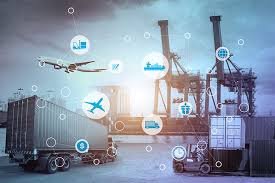
Smart Ports: cranes and digital tracking systems make it easier to handle containers reducing problems in global shipping hubs.
While automation has benefits it also has some challenges. There are still rules to be made for vehicles and safety is a concern. Also workers will have to adapt to roles going from manual labor to overseeing and maintaining automated systems.
Sustainability in Supply Chains
As the environment becomes an issue sustainability is becoming more important in logistics. Consumers and governments want companies to be more environmentally friendly so they are finding ways to do things.
Electric and Hydrogen Trucks: Big logistics companies are buying trucks that do not harm the environment to reduce their carbon footprint. Teslas Semi and Volvos electric trucks are examples of this.
Green Packaging: Companies are using materials that can be recycled and biodegradable to reduce waste.
Carbon-Neutral Shipping: Shipping companies like Maersk are using biofuels and green methanol to power their ships in a way.
Being sustainable is not about following rules. It is a way to get ahead. Logistics that are good for the environment appeal to consumers who care about the environment and can reduce costs in the run. The challenge is to balance being sustainable with being efficient as new technologies often cost a lot at first.
Globalization vs. Localization
supply chains have always been a big part of modern trade but recent problems have made companies think about localization and regionalization. Companies are thinking about moving production to where consumers are.
Nearshoring: Making goods closer to consumers reduces transportation risks and costs.
Regional Hubs: Having distribution centers in areas ensures faster delivery and makes the supply chain stronger against global problems.
Geopolitical Considerations: Trade wars and politics are making companies think about diversifying their supply chains.
This does not mean the end of globalization. Rather a change. Logistics providers must adapt by building networks that combine global reach with local agility.
The Human Factor
with all the advances in Artificial Intelligence and automation human expertise is still very important in logistics. Technology can make processes better. It cannot replace the creativity, adaptability and problem-solving skills of people.
Digital Literacy: Workers need to be trained to use systems and understand data.
Reskilling Initiatives: As automation takes over tasks employees must learn new skills to move into supervisory and analytical roles.
Leadership and Strategy: Human judgment is crucial in navigating geopolitical, ethical and environmental challenges.
Companies that invest in their workforce will be better able to use technology and stay strong. The future of logistics will be a partnership between machines and humans each doing what they are good at.
Logistics is entering an era that is defined by intelligence, automation and sustainability. Artificial Intelligence makes predictions more accurate automation makes things faster and sustainability ensures that the industry will be around for a time. At the time the industry is changing from globalization to localization while recognizing the importance of human expertise.
The future of logistics is not about moving goods. It is, about building smarter more environmentally friendly and more resilient supply chains that can withstand problems and meet the demands of a rapidly changing world. As technology and sustainability come together logistics will remain the backbone of trade shaping economies and societies for decades to come.
contact us more https://meeqam.com/contct us/