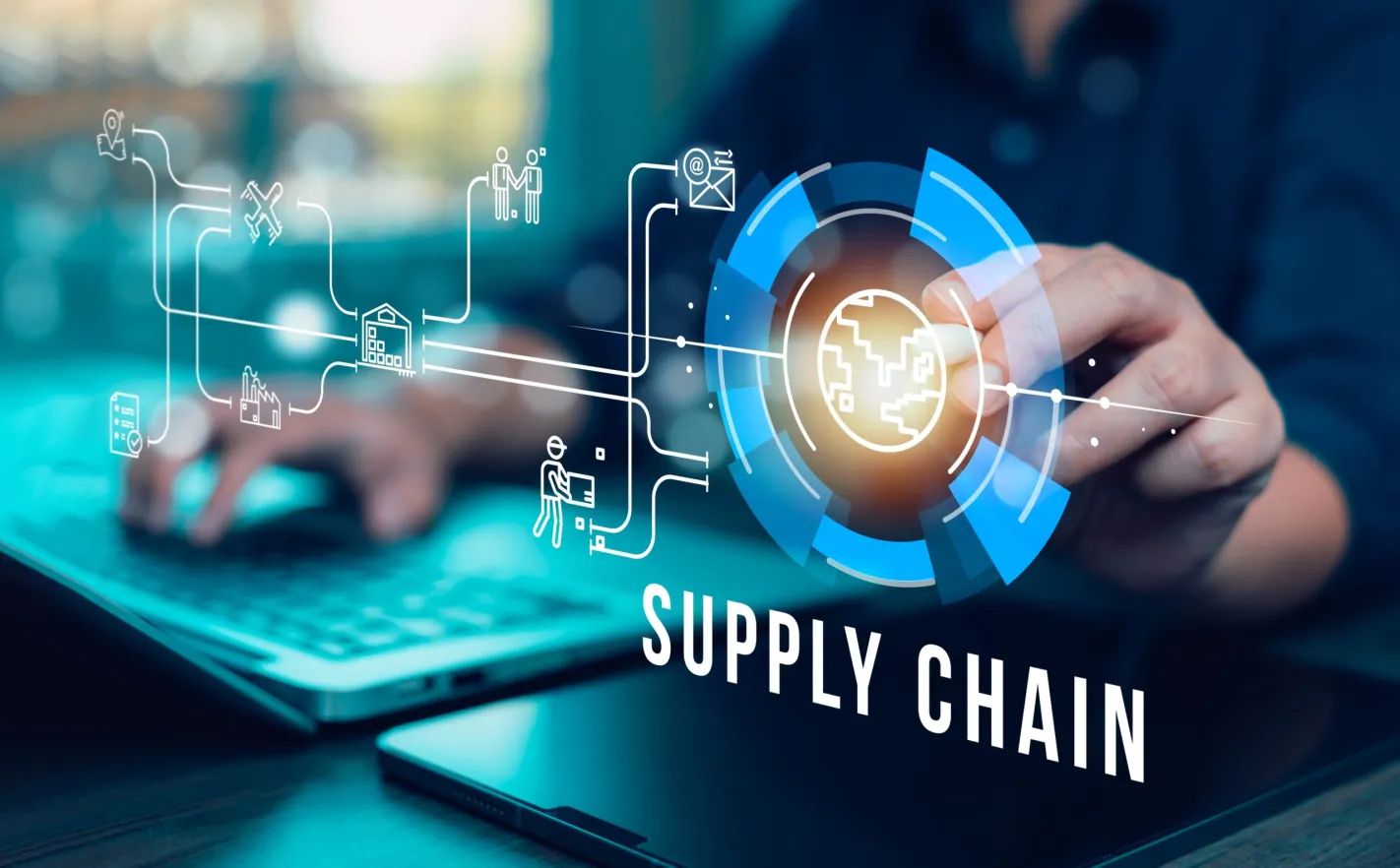
By the year 2026 the global supply chains have changed a lot. The pandemic years showed us where the global supply chains were weak. They also made companies think of new ways to do things. Now the global supply chains are smarter they can handle problems better. We can see what is happening in them more clearly. Companies are using Artificial Intelligence, blockchain, robotics and ways to protect the environment to make sure goods are moved quickly across borders while meeting what consumers want in terms of speed and ethics.
Key Trends
- AI-Powered Logistics
Artificial Intelligence helps us guess what people will buy and makes sure we have the amount of products in stock.
Artificial Intelligence also helps us plan the routes for trucks and other vehicles, which reduces delays and saves fuel.
For example big retail companies are using Artificial Intelligence to guess when people will buy more during holidays.
- Blockchain Transparency
Blockchain helps us track where products come from from the materials to the finished products.
Consumers can check if companies are telling the truth about where their products come from and if they are protecting the environment.
For example food companies are using blockchain to track where their food comes from from the farm to the table.
- Robotics and Automation
Automated warehouses help us get products to consumers faster.
Drones and self-driving cars are used to deliver products in cities.
For example logistics companies are using arms to pack products more efficiently.
- Sustainability and Circular Supply Chains
Companies are using packaging that does not harm the environment and shipping products in ways that do not add to climate change.
They are also finding ways to reuse and recycle materials.
For example fashion companies are starting programs to resell and refurbish old products.
- Regionalization and Nearshoring
Companies are working with suppliers from places to reduce risks from politics and wars.
Nearshoring means companies are making products to where consumers live.
For example tech companies are moving their factories to places that’re closer to their consumers.
Challenges
One challenge is to protect the systems of the global supply chains from cyber attacks.
Another challenge is that wars and trade disputes between countries can disrupt the flow of goods.
Climate change is also a challenge because extreme weather can damage the infrastructure of the supply chains.
Finally companies have to balance the cost of being efficient with the cost of protecting the environment.
The global supply chains in 2026 are strong, transparent and use a lot of technology. Companies that use ideas and balance what is good, for the environment and what is fair will do well in this new era of global commerce. The global supply chains will continue to be defined by resilience, transparency and technology and companies will have to adapt to these changes to succeed.
contact us more https://meeqam.com/contct us/