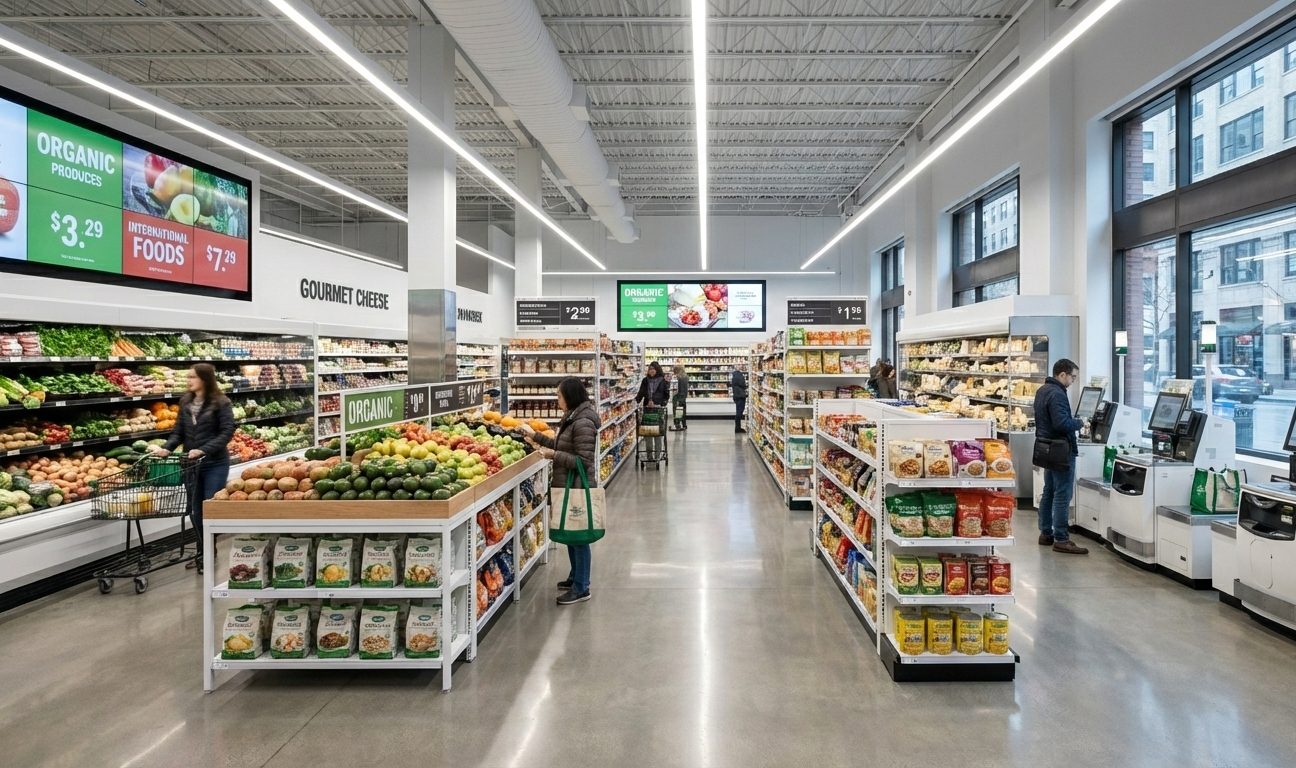
For 2026, grocery stores remain at life’s center. People, in spite of technologies and habits constantly changing, still pass through the doors of these shops to satisfy their most basic needs. They are a source of food and household products and, above all, a reassuring presence for families and neighborhoods. Grocery shopping is far more than merely places where one purchases merchandise. This type of store is nothing less than a meeting point every day, economic drives, and a factor in public health. Their value in society only increases with time.
They support daily rhythms by making fresh, affordable food consistently available. From dawn to dusk, people swing by to pick ingredients for meals, snag home supplies, and find items that keep wellbeing in check. Food is one of the basic needs; hence, grocery stores are the backbone of communal life. Without them, modern life would come to a grinding halt.
Grocery stores have really changed a lot over time. Most people in the past depended on small local markets, which, for their limited assortment of goods, were mainly dependent on local farmers and seasonal products. When cities grew and more people inhabited them, such shops became larger and better structured. Supermarkets appeared and included a wide variety of products under one roof. In 2026, grocery stores merge traditional values with sophisticated technologies in their attempt to provide good service for their customers.
Contemporary grocery shopping has all to do with convenience and speed. People want to see clean and organized areas. They also want to be served efficiently and quickly. Grocers arrange the merchandise carefully so customers can easily access the items they require without a struggle. Produce, for example, is usually placed near the entrance to establish a positive impact. The aisles and shelves are also organized for easy movement and to have a smooth journey.
Technology is ubiquitous in the supermarkets of 2026. Electronic checkout alternatives, self-service kiosks, and mobile applications make the process quicker and more convenient. Price comparison and discount alerts have been enthusiastically adopted by consumers as a means of comparing costs, locating products, and taking advantage of savings via mobile applications. Online ordering and home delivery have been appreciated additions, especially for busy or mobility-impaired individuals.
Nonetheless, the human touch is still needed. Friendly store personnel help stock the shelves, assist customers, and check product quality. Customer service is vital and even more so in today’s competitive market, so the best shops combine technology and personal contact to give customers a memorable shopping experience.
Grocery stores influence public health. They impact the type and manner of food consumption. In the year 2026, stores focus on healthy food like vegetables, whole grains, and healthy choices. There is clear labeling to make healthier choices, and stores sometimes post health information or campaigns for healthy eating. In summary, the grocery store and healthy eating.
Grocery stores do much more than selling food: they guarantee safety and quality on all levels. From proper storing to good habits of cleanliness, regular quality control guards the customers from health risks. That can only be achieved if the management is conscious and the staff is well trained. When standards are upheld, then trust ensues, and the health of the public remains uncompromised.
Their economic side is no less important, either. Stores give thousands of jobs to cashiers, managers, suppliers, and crews of delivery, which assure a family’s stability and fuel a municipal economy. Often, they collaborate with local farmers and manufacturers. By buying locally, they save many resources by not having to pay for transportation and at the same time support ecologically clean farming.
Small and medium grocery shops provide life to the neighborhoods. They have personalized service and a sharp sense of what is needed within that community. Though large supermarkets may dominate many cities, these neighborhood stores give convenience with a friendly, known atmosphere. It is in many of these communities that these places become bound with the community, where relationships deepen over time.
Sustainability is becoming a guiding priority for grocery stores by the year 2026. Generally, environmental awareness shapes the way in which stores operate and shoppers make their purchases. In most supermarkets, there has been a reduction in plastic, encouragement of reusable bags, and a tightening up of waste management. Some even donate unsold food to charities in an effort to cut waste-a move that protects the planet while supporting those in need.
Energy efficiency also matters. More recent supermarket outlets depend on energy-saving refrigerators, lighting, and cooling systems. These upgrades decrease costs and trim environmental impact. With sustainability being a collective responsibility, stores lead the way.
Another change within the retail landscape is a mix between online and in-store shopping. While making in-store trips, many shoppers combine those with online options, such as ordering groceries online and picking them up at their chosen time. This blended approach really conveys flexibility and convenience. Stores embracing this trend remain competitive and relevant.
Cultural diversity also characterizes the landscape of groceries in the year 2026. Communities today are more diverse than ever; shelves also reflect that diversity with an extended product offering. Stores carry foods from many cultures and help their customers continue their own traditions and explore new kinds of food. Such inclusiveness attracts and bonds a community while allowing for deeper cultural understanding.
But the challenges are still there in the supermarket business. Expenses are higher, the supply chains are volatile, and customers’ preferences are constantly changing. E-commerce competition is another factor. But the answer is to listen to customers and adopt innovative thinking, and the trickers are still winning.
Technology assists with this work. Smart data helps to maintain the right levels of items on the shelves, minimize waste, and maintain lean retail. Consumer input helps make services improved. This makes the smarter, more consumer-focused grocery shopping experience.
Looking ahead, the future for groceries is bright. Individuals will continue to disrupt the market, but the need for good access to food will never go away. Also, the stores will continue to adapt using technology, sustainability, and community. In fact, change and holding true to their values will help them stay relevant.
In summary, by the year 2026, grocery stores are far beyond simply shopping for food. Grocery stores offer benefits for healthy living, the economic stimulus found in the creation of job opportunities, the development of an enhanced social environment, and the promotion of sustainability.
Through innovation and the AVE salon Responsibility, the grocery store is an essential institution. The store bridges the producer and the consumer, the past and the present, and the personal and the universal because it remains the backbone of society.